|
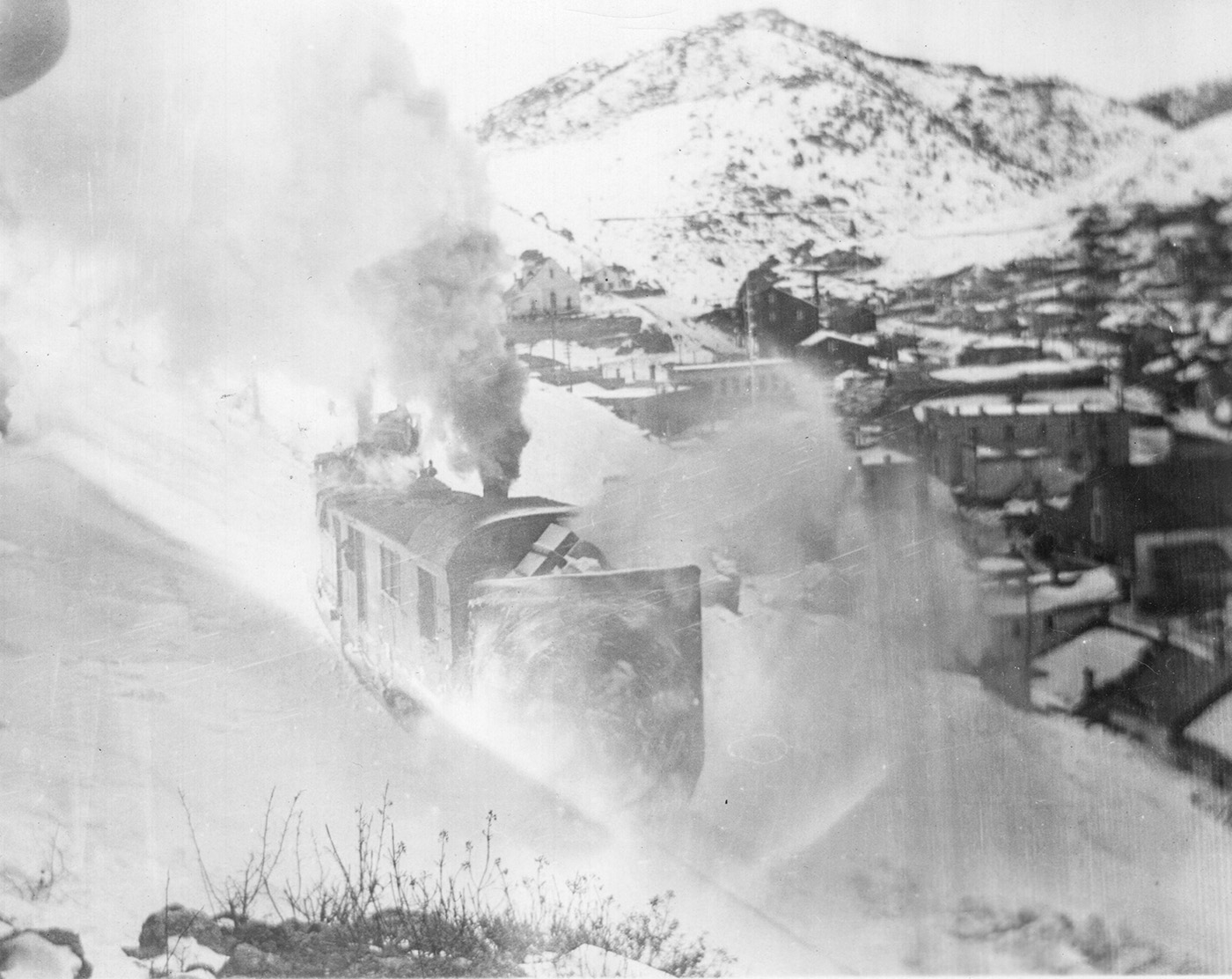
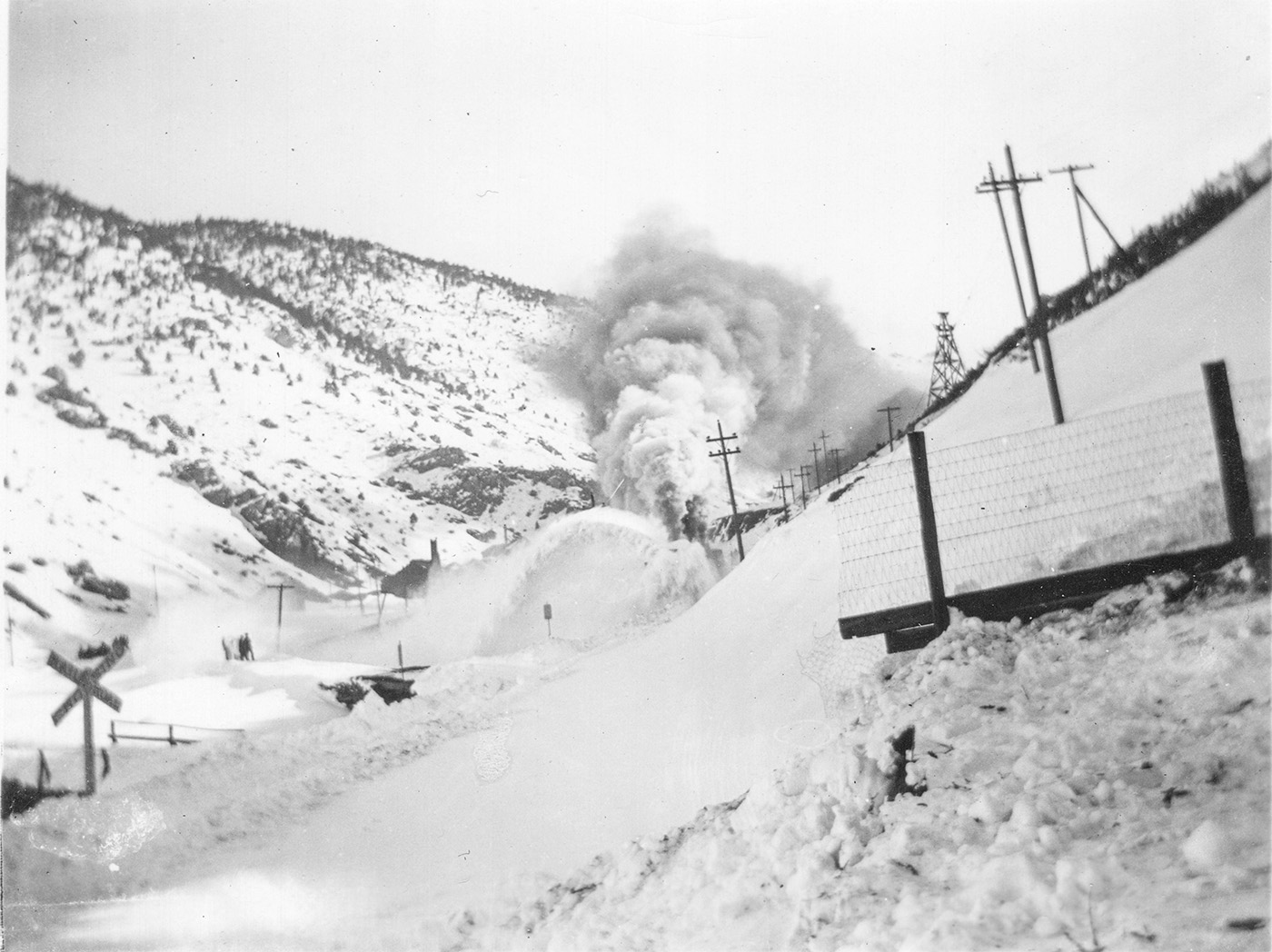
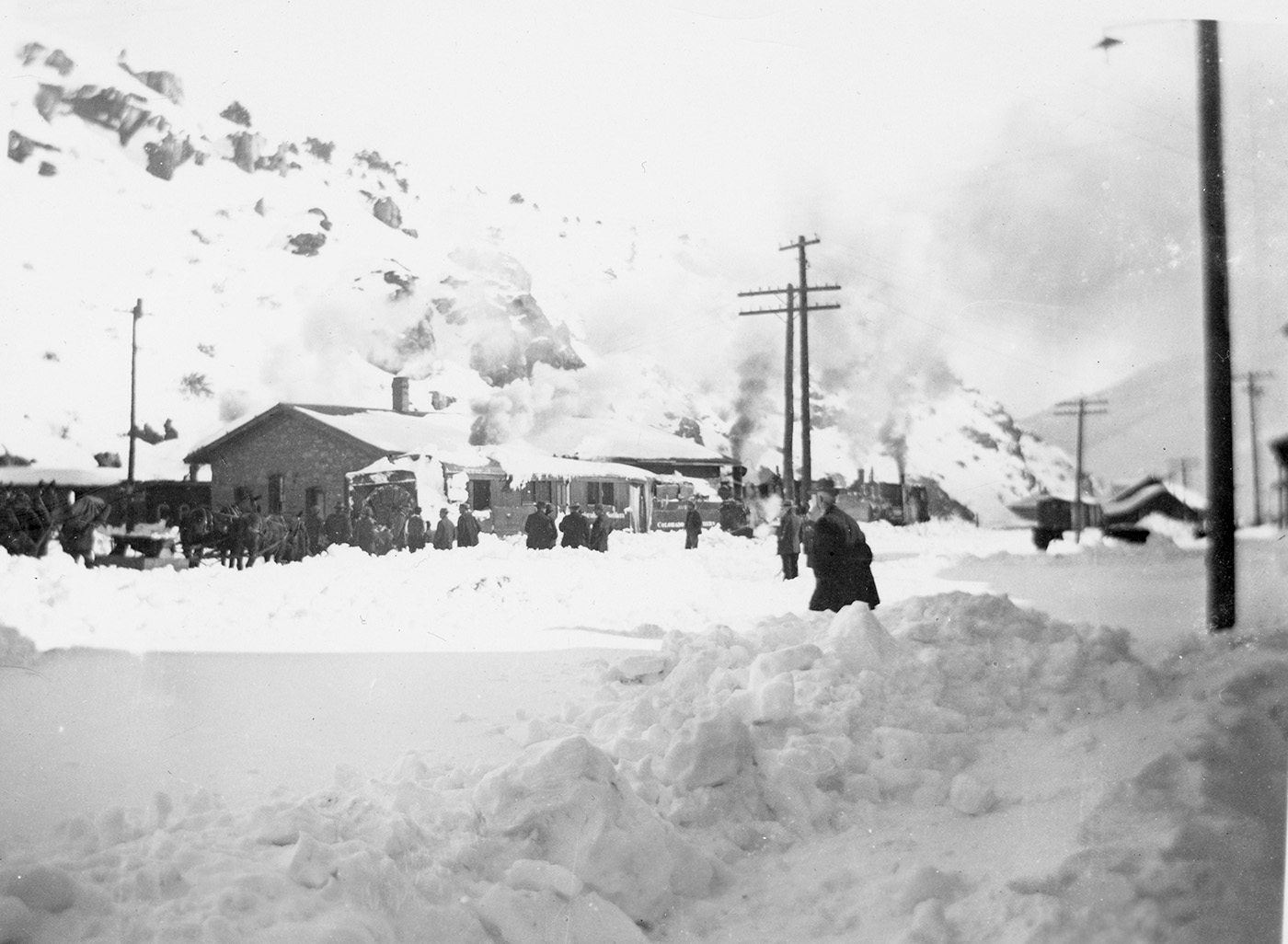
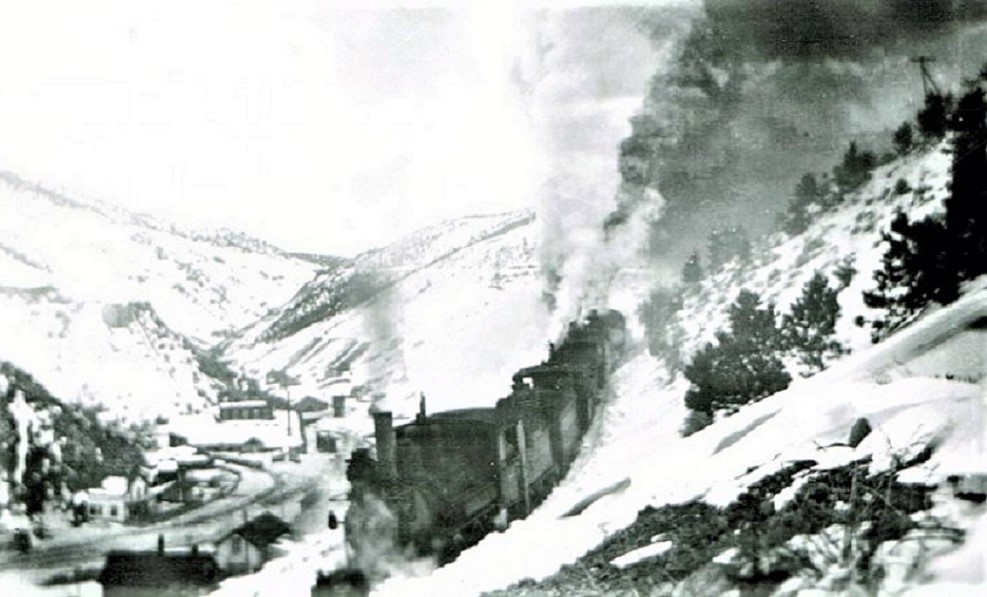
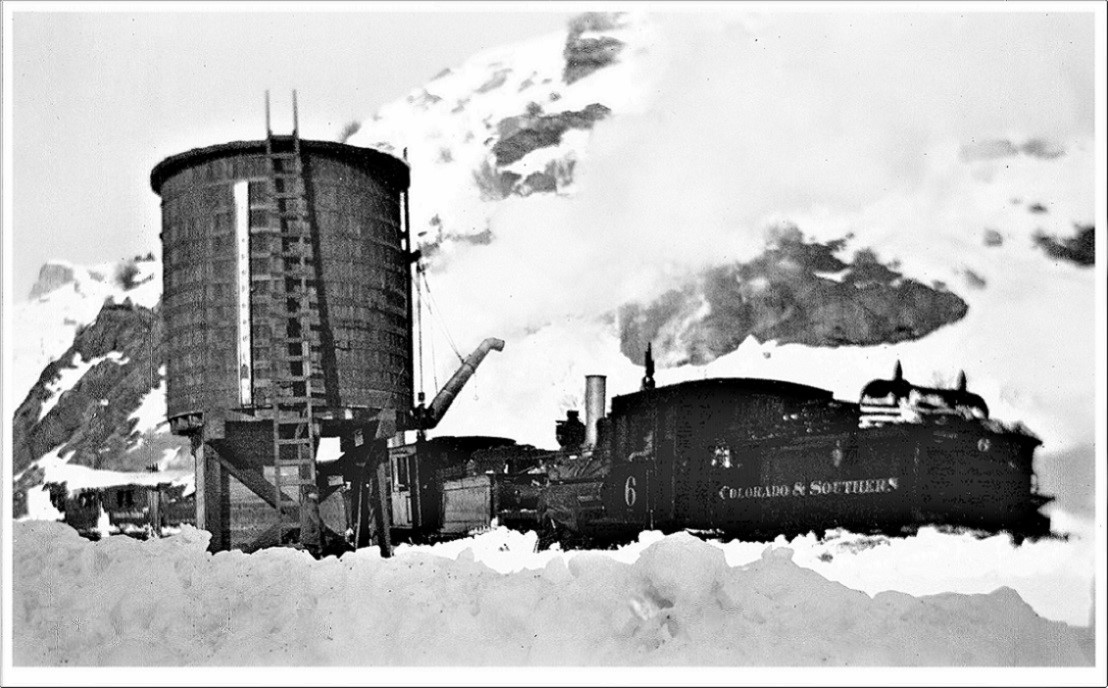
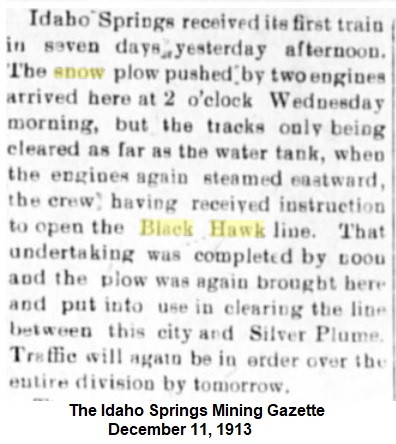
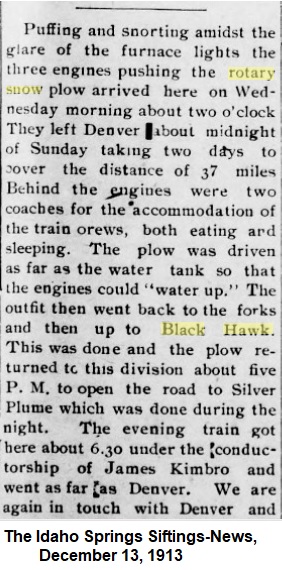
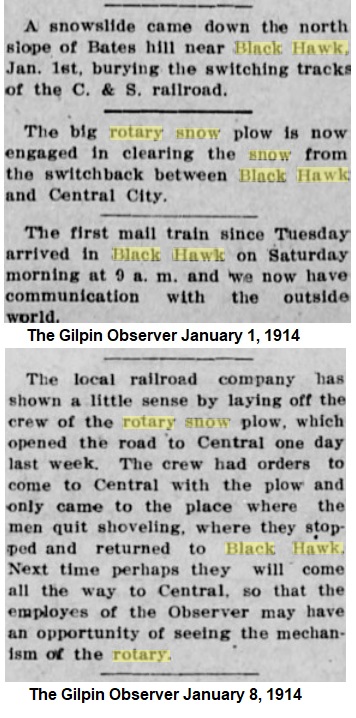
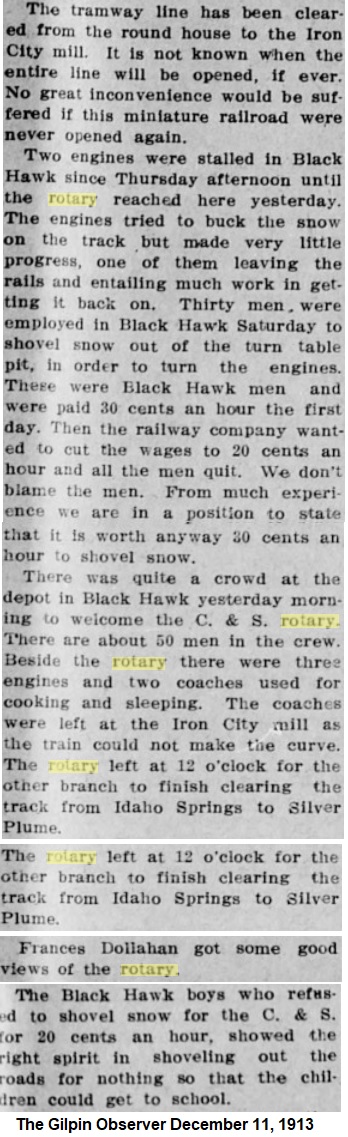
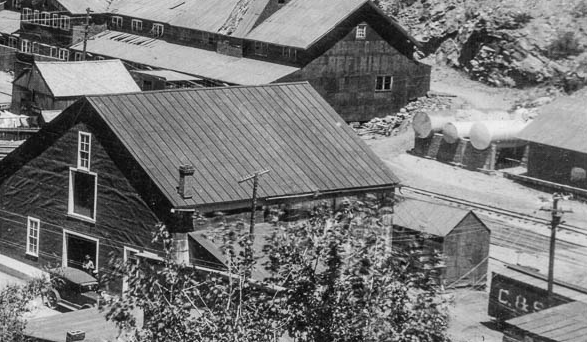
The first two photos were fairly recent acquisitions (thanks to Chris Walker for helping to ID locations), and the third is one I've had for a while, but is probably from the same event. These are probably from December 1913, I don't think the rotary made it up to Central City often.
Approaching the switchback above Black Hawk, facing NNW up North Clear Creek: ![]() Chris thinks this one is below the tank in Black Hawk - note the crossbuck on the lower-left and the tram tower to the right: ![]() Rotary at the depot in Black Hawk:
|
|
That must have taken a while. Black Hawk is tight quarters and there was not much of anywhere to throw snow to get it out of the way in the yard. They must have shoveled out the turntable, and turned the whole train to go up the switchback; then they had to back down, turn everything again, and return to where they left off to get to Central.
All in a day's work, I guess. Great pics, Todd. Thanks for sharing!
Keith Hayes
Leadville in Sn3 |
|
In reply to this post by Todd Hackett
I wish I could remember which book- but one makes mention that the rotary only went up one time down the Clear Creek line in the 20th century. As tight as what Black Hawk was that must have been a challenge.
Jim Curran
|
|
This post was updated on .
In reply to this post by Keith Hayes
They must have shoveled out the turntable, and turned the whole train to go up the switchback
I doubt that the rotary and tender would fit on the Blackhawk turntable. I suspect that after the rotary cleared all the C&S track up to the Hidden Treasure Mill, the whole rotary train was backed down to Forks, turned on the wye, backed back up to Blackhawk, then began plowing the second section of track of the switch back to the end of the tail track. I believe Todd's first photo was taken on this section of the switch back, well above downtown Blackhawk. This photo is likely by the same photographer looking the other direction, after the rotary train passed: ![]() To reach Central, the entire backing process would have to be repeated, the train again turned a Forks, then returning to Blackhawk, backing up the switchback before plowing out the line up on the upper switchback to the Central depot. Comments?? ![]() To get all the Blackhawk rotary photos in one place, here is the rotary train being watered at some point that day: ![]()
Jim Courtney
Poulsbo, WA |
From the folio for 99200, the total wheel base with tender appears to be just under 46', and the Black Hawk turntable was 50', so it would fit and could be turned, but the blade area and tender end beam would hang over. That's similar to the B4Fs which were longer than 50' and were routinely turned on 50' turntables with pilot and rear beam overhanging. They still probably couldn't use the Black Hawk turntable because I don't think the tail was long enough for a locomotive, which would be needed to push the rotary off the table when it was facing downstream. They may have been able to use cables or some other means, but that's probably more trouble than heading down to the wye at Forks Creek. Running the rotary up to Central City was definitely not an easy task. |
![]() ![]() ![]()
UpSideDownC
in New Zealand |
|
Administrator
|
In reply to this post by Todd Hackett
Yes, it could fit on the table, but that's only half the problem. Getting it off would be a problem. At Como, the Rotary had to be pulled backward into its stall, then the uncoupled engine could be backed onto the turntable. Seems most likely that the Rotary would have been backed from Blackhawk on it's return.
Thanks, guys, this is fascinating! |
|
This post was updated on .
CONTENTS DELETED
The author has deleted this message.
UpSideDownC
in New Zealand |
|
I don't see a need to run the whole shebang back down.
Look again, Chris . . . in the photo of the rotary train being watered at Blackhawk tank, number 6 is the rear engine. All three locomotives are pointed up stream (north). In my second photo, number 6 is still the rear engine, still pointed upstream. But the other two locomotives are pointed downstream towards Forks (south) while pushing the rotary. So at least two locomotives and the rotary were turned at Forks, then lugged back upgrade, with two locomotives running tender first. The C&S seemed to like the lead engine running locomotive first, so I suspect all three locomotives were backed down to Forks.
Jim Courtney
Poulsbo, WA |
|
retracted Jim. I was reading into the moment, not the wider picture.
UpSideDownC
in New Zealand |
UpSideDownC
in New Zealand |
|
Fascinating info, Chris!
BTW, since there was no wye or turntable at Idaho Springs, the rotary train must have backed down grade from I.S. to Forks to then take on clearing the branch to Blackhawk. It is also interesting that they were running the rotary train at night.
Jim Courtney
Poulsbo, WA |
|
In reply to this post by Todd Hackett
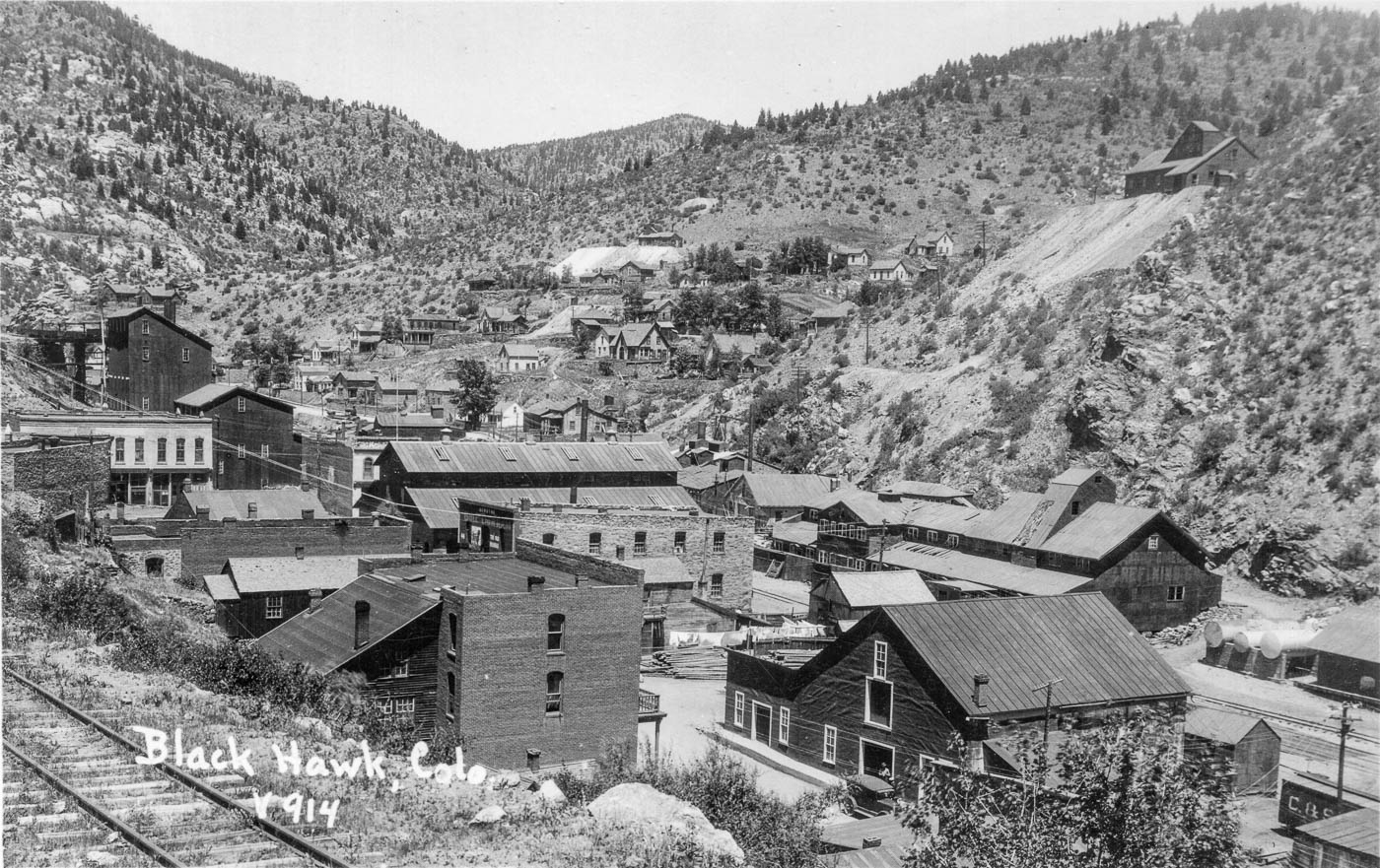
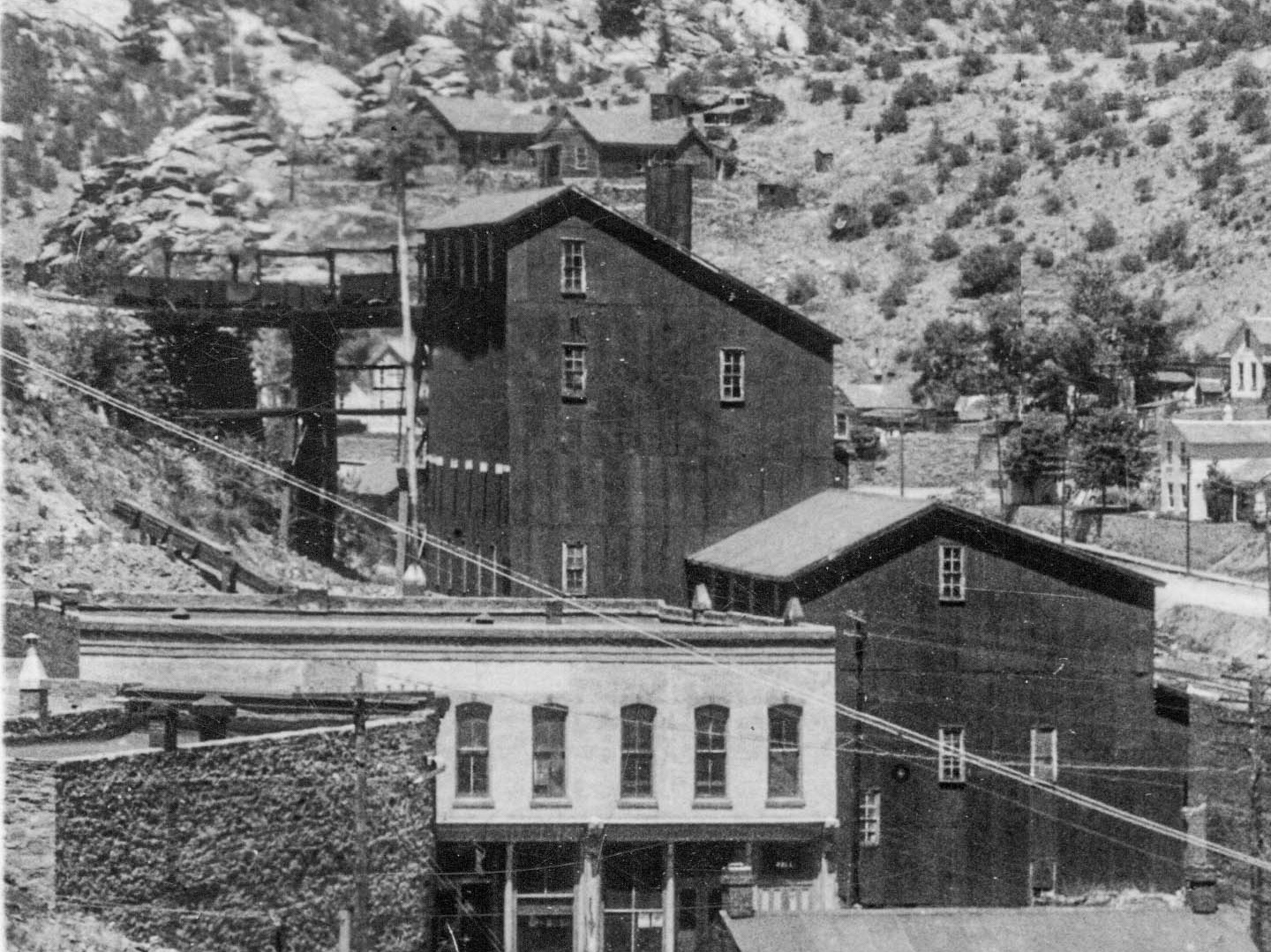
Here's a view similar to the first one in the post, but without the snow:
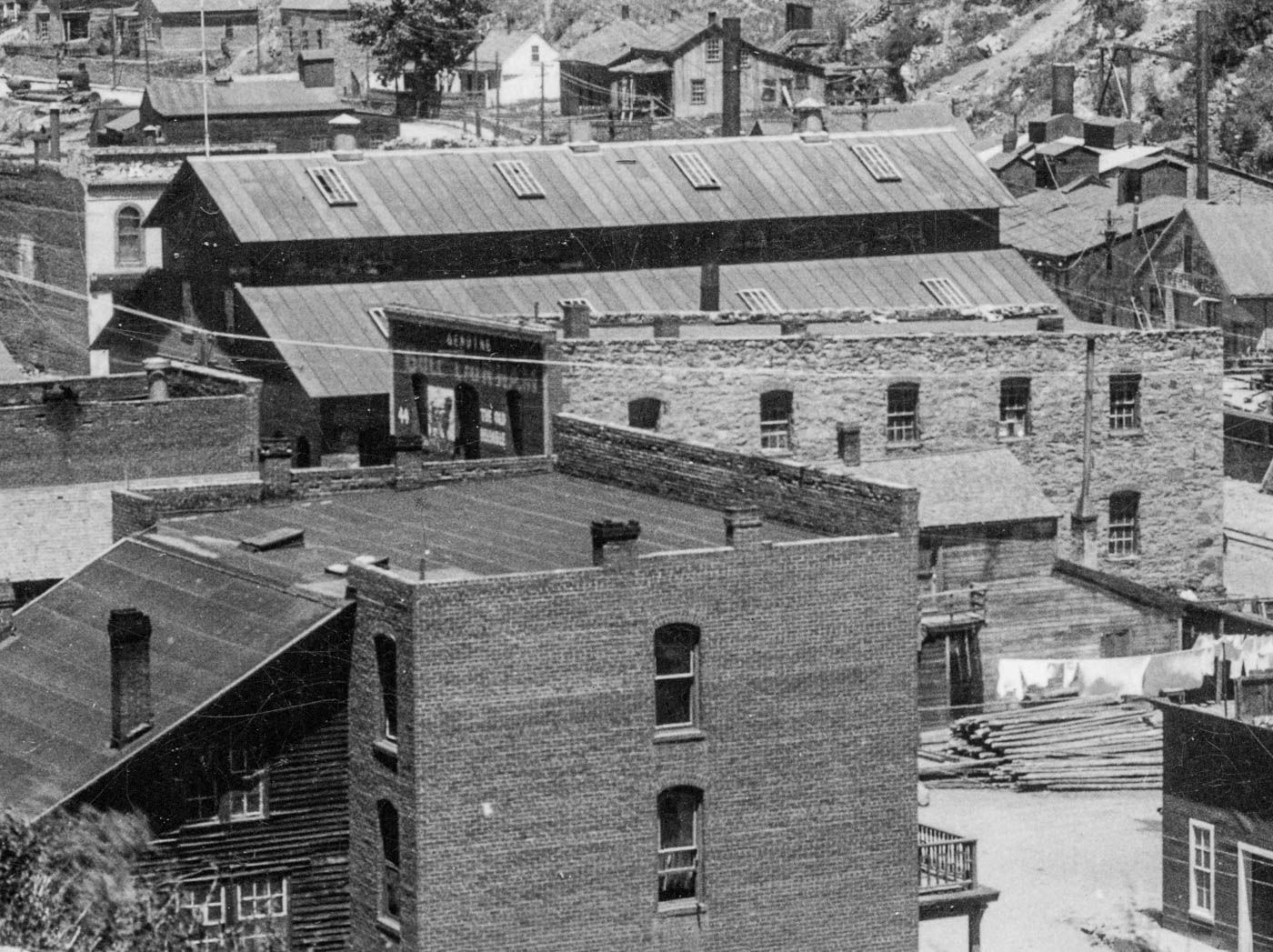
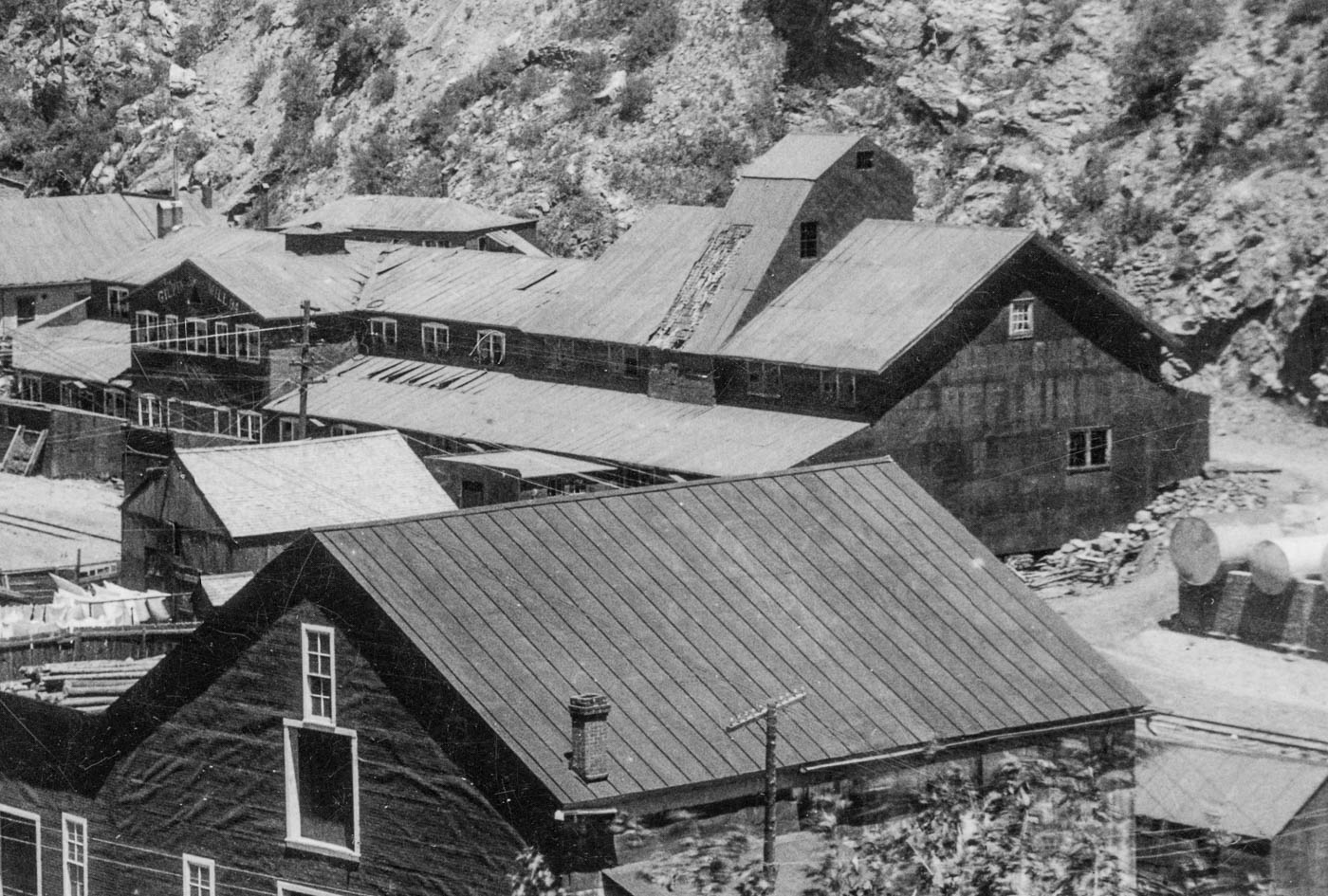
![]() Close-up of the Black Hawk Boiler and Sheet Iron Works, and the adjacent building with the Bull Durham advertisement (presently the Bull Durham Casino): ![]() Close-up of the Gilpin Mill in need of some roof work:
|
|
Todd,
Note the open-back ore hopper on the back side of the Big 50 Mill. |
Is this the Big 50?
|
|
Sort of Todd, the Fifty Gold Mines Mill(the Big 5 mill was in Idaho Springs).
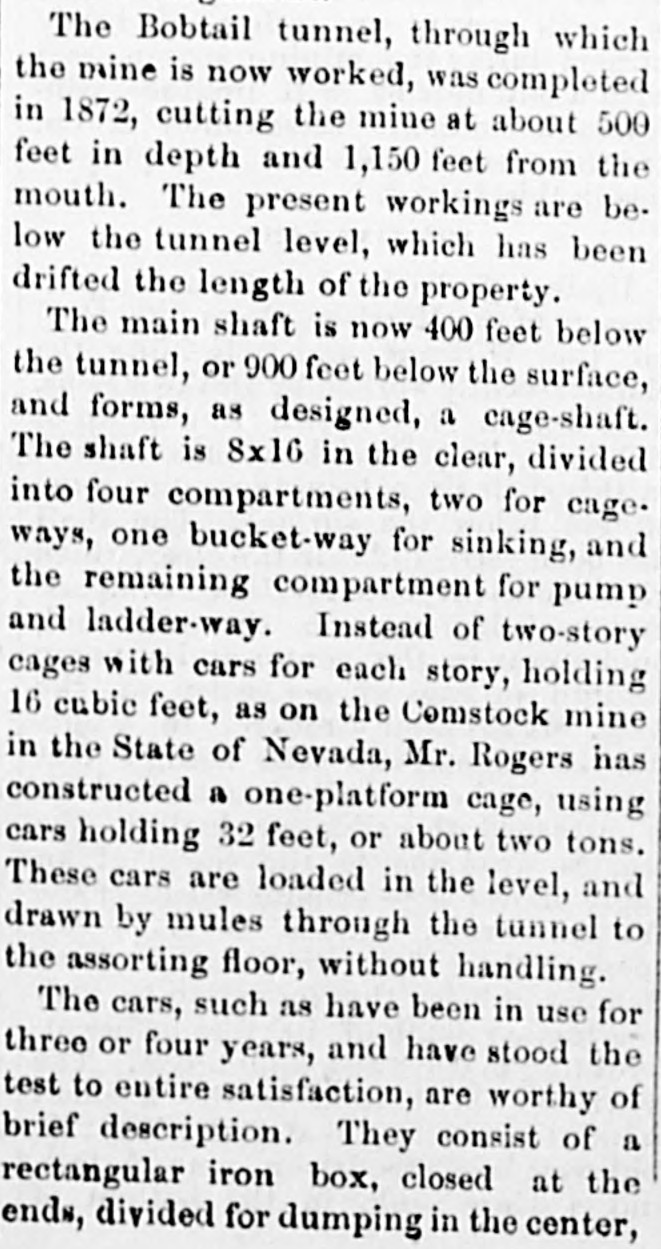
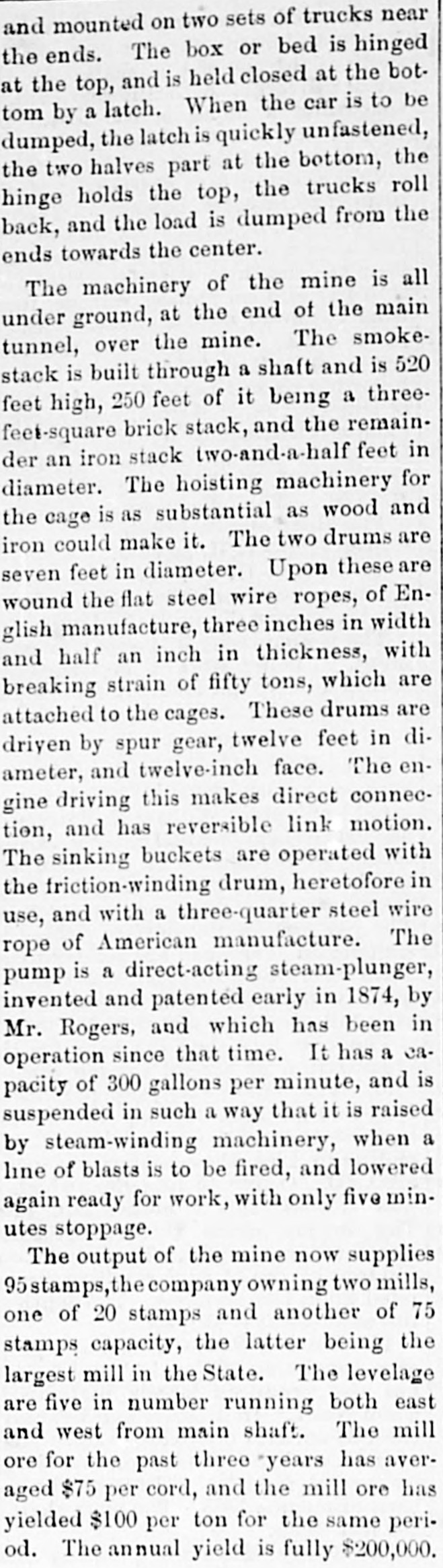
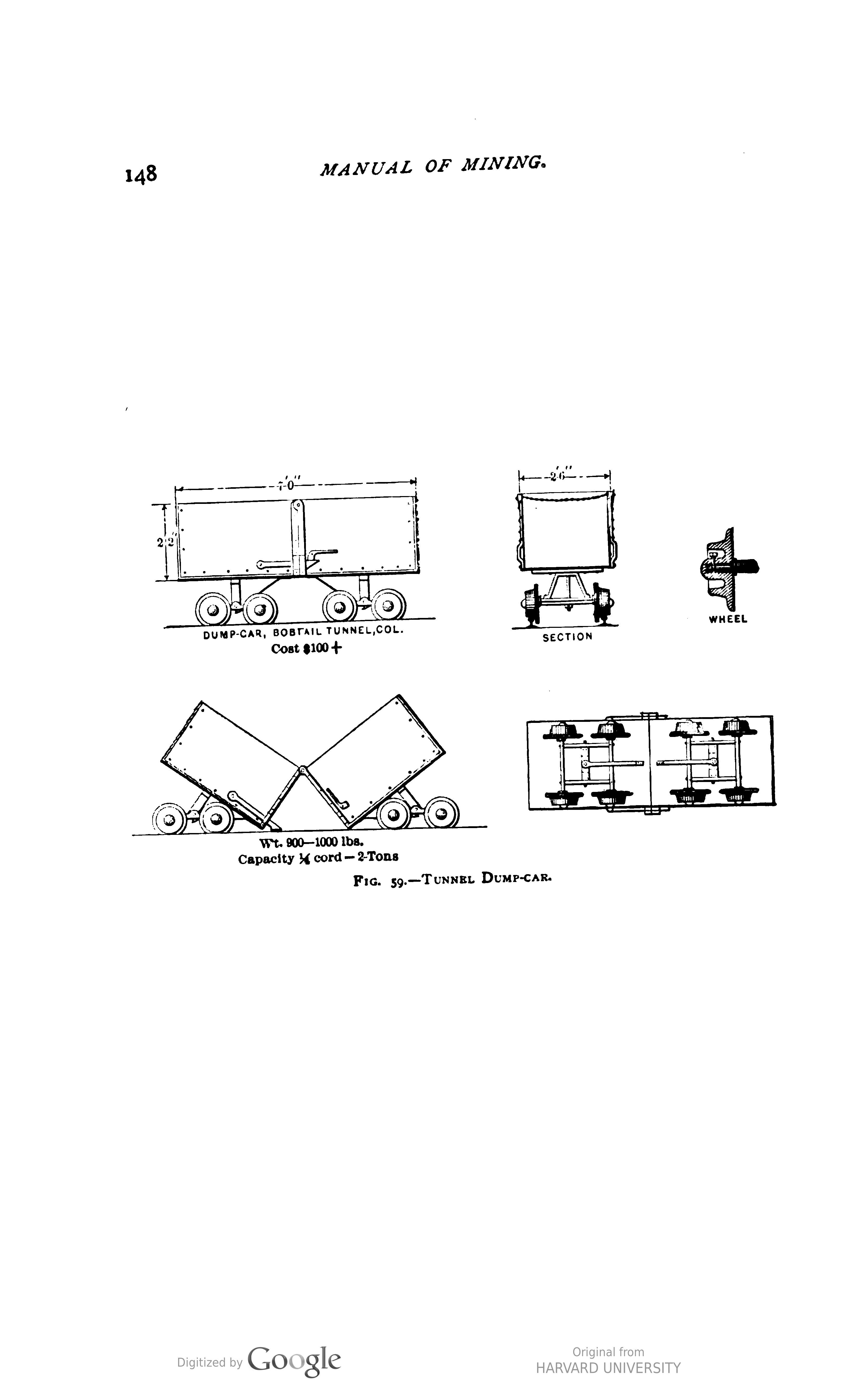
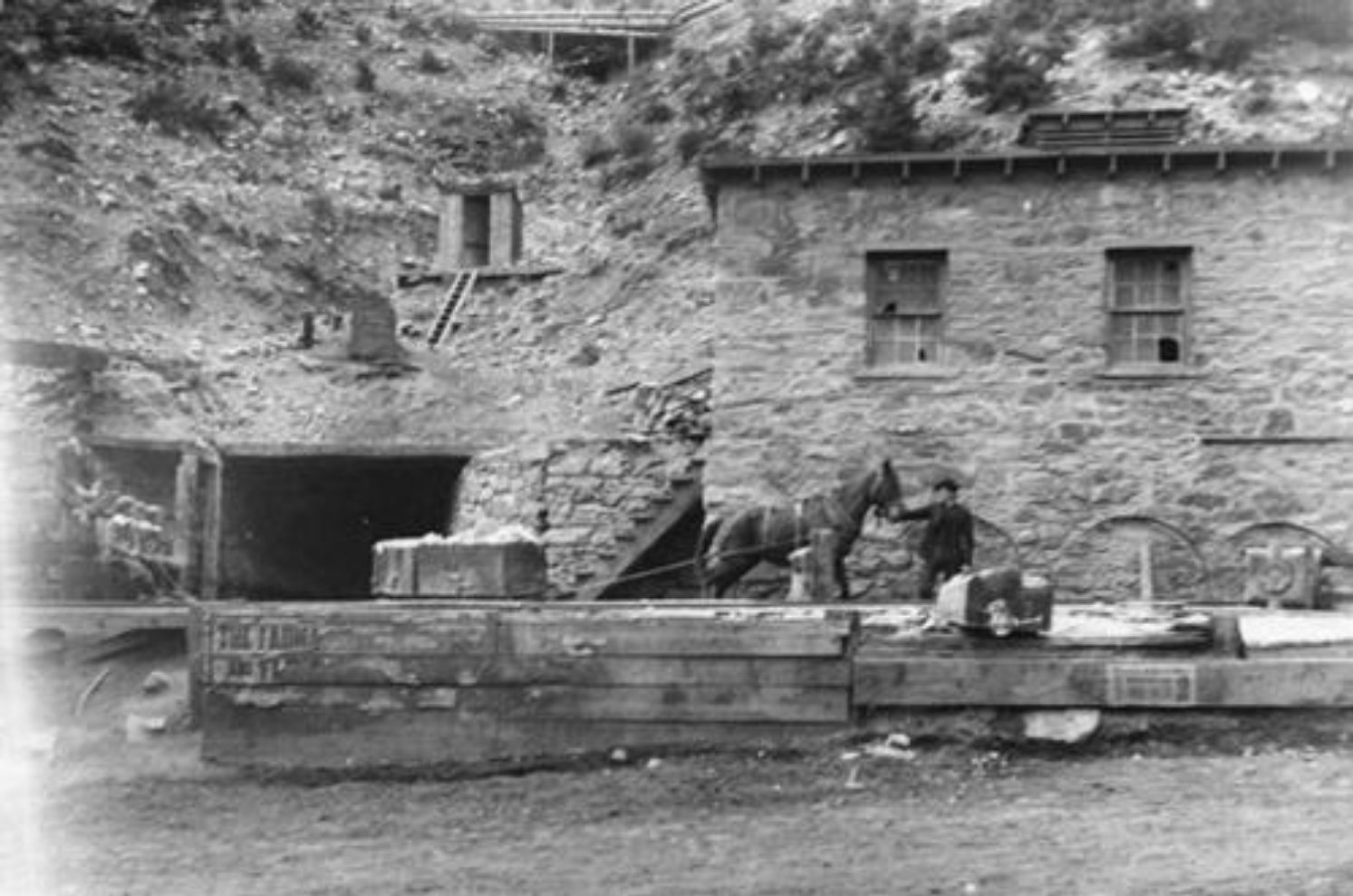
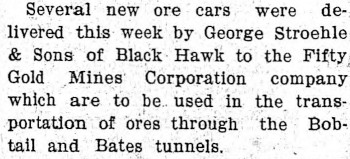
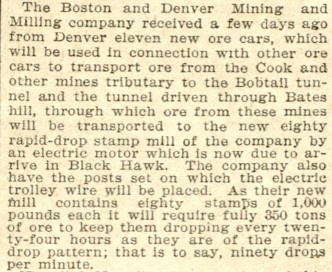
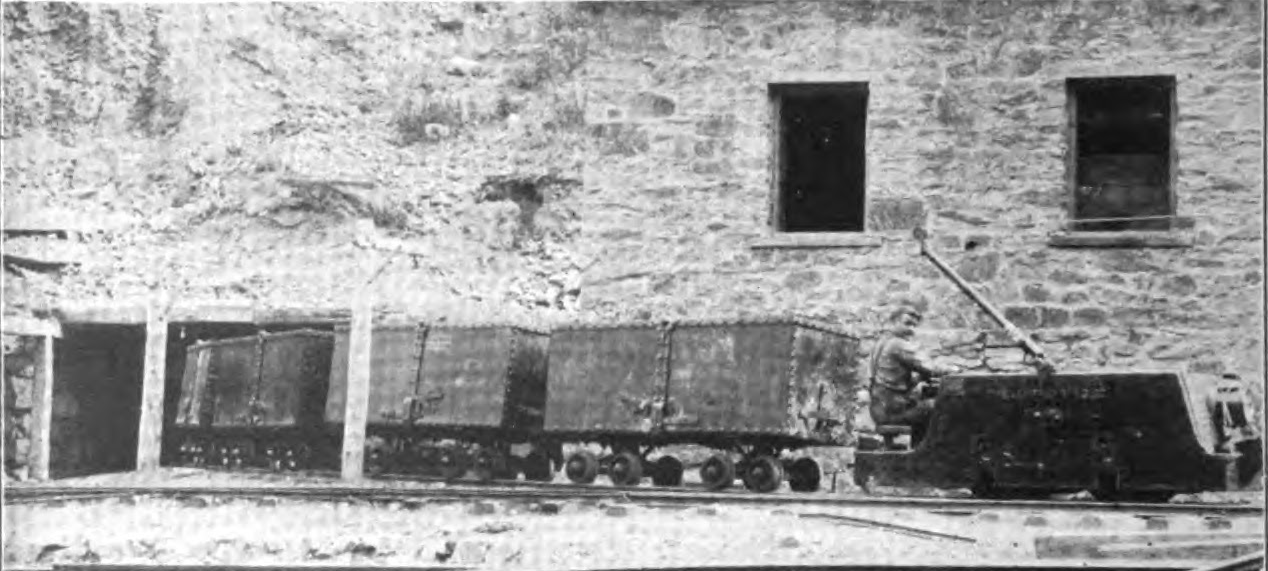
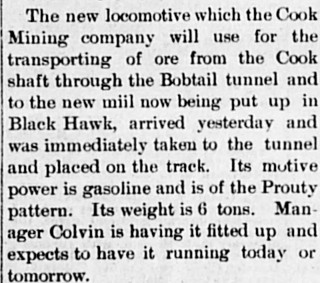
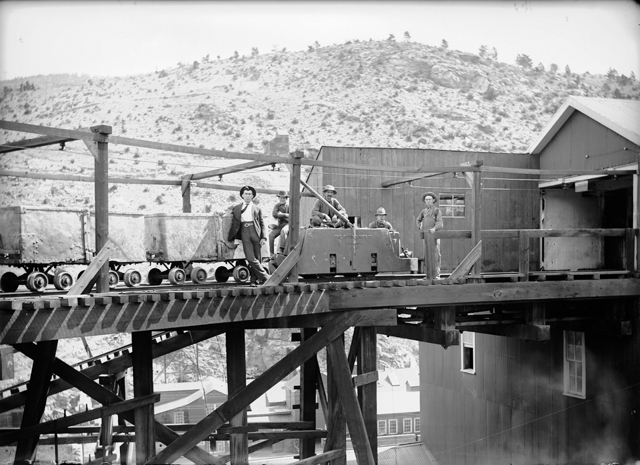
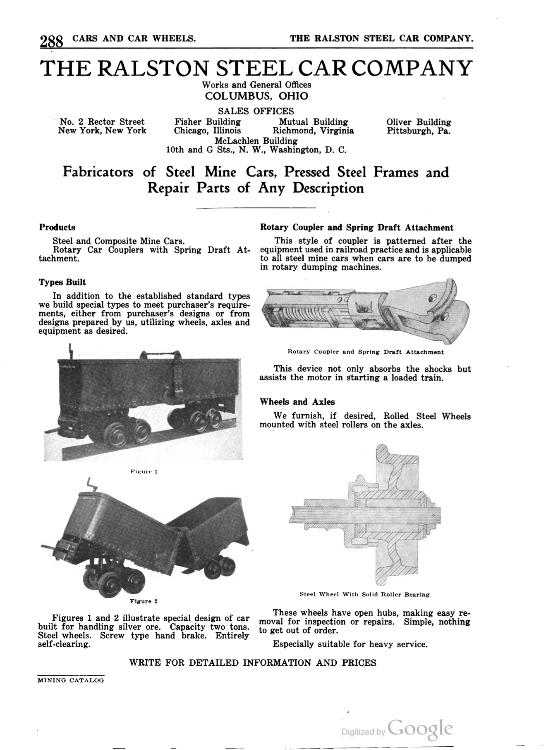
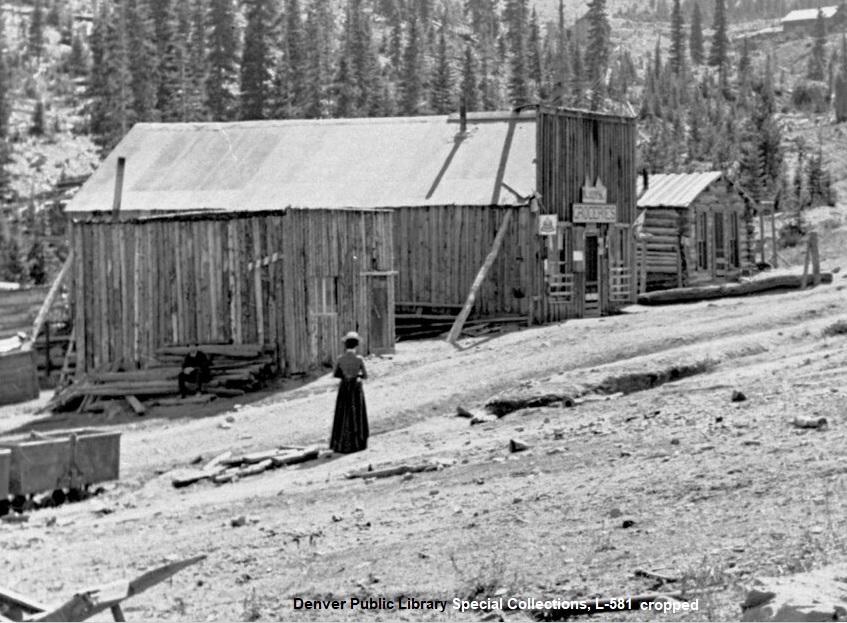
The Bobtail Tramway cars Rick is describing are these; paired orecars. ![]() It has been said(in Denver mining modeller circles, to me) that these were from Ohio, but the Ralston brand were somewhat different in drawgear and latch detail. I'd hazard a guess that the Bobtail Tramway cars were built either by McFarlane in Black Hawk, or a Denver firm. ![]() The Bobtail type orecars could also be found at Perigo, lending evidence of local manufacture. Denver Public Library L-581 ![]() Also in Todd's Mill picture(full), on the far right is a good look at the Banzai Mine Shafthouse, now faded and forgotten. Excellent images Todd.
UpSideDownC
in New Zealand |
|
Administrator
|
This post was updated on .
FYI - A couple of these ore cars still exist at the Polar Star mill. Norm was very generous with the information he supplied about them. I measured them and had Joe draw them up some thirty years ago. Have no clue where that is now. Somebody else may want to draw them again.
|
| Free forum by Nabble | Edit this page |