Steam Heat in C&S NG Coaches

Previous Topic Next Topic
 
classic Classic list List threaded Threaded
9 messages Options
Reply | Threaded
Open this post in threaded view
|

Steam Heat in C&S NG Coaches

Mike Trent
Administrator
This post was updated on .
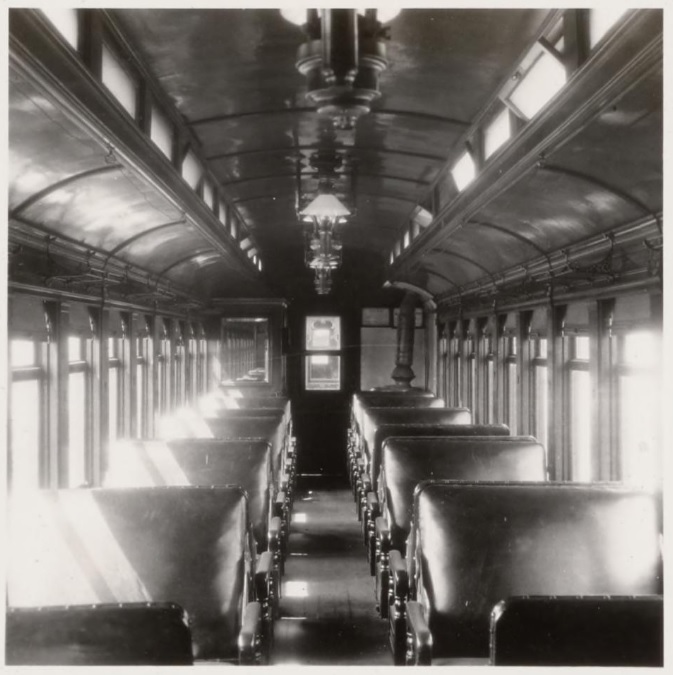
Yesterday, Mike Horner and I went up to Silver Plume so Mike could do a little work on Coach #70, which is nearing completion. While there, we poked around in the structure which houses Baggage and Mail #13, Coach #76, and Business Car #911.

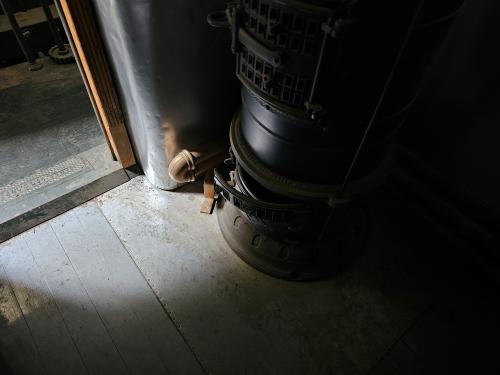
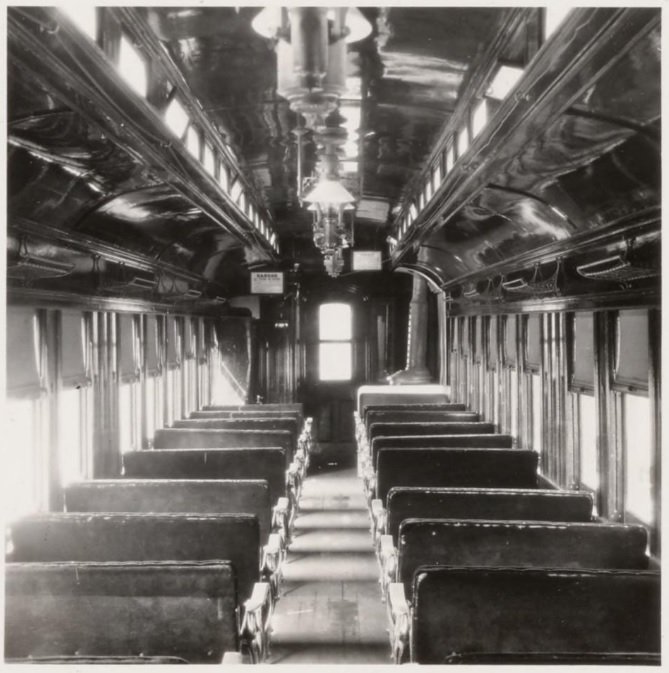
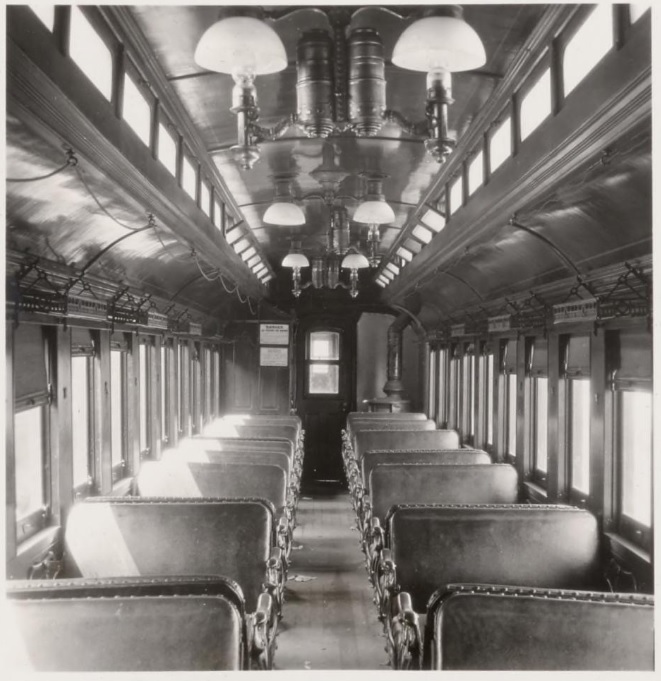
This was my first time inside Coach #76, and the first thing I noticed as I stepped in were the steam heat pipes which run behind the coal stoves opposite the WC's. I have reviewed my copy of the "Quick Book" by Tim Mulina. Mulina refers to these pipes as being part of a system which takes heat somehow from the coal stoves on both sides of the car, but I think this is incorrect. These are clearly steam pipes which were fed from a steam line under the car. The metal bins adjacent to the stoves are not reservoirs for water, they are coal bins for when the cars were heated with the stoves. The right angles in the corners toward the doors were simply a means to both increase linear feet of the pipes, but to also help heat the corners behind the stoves.

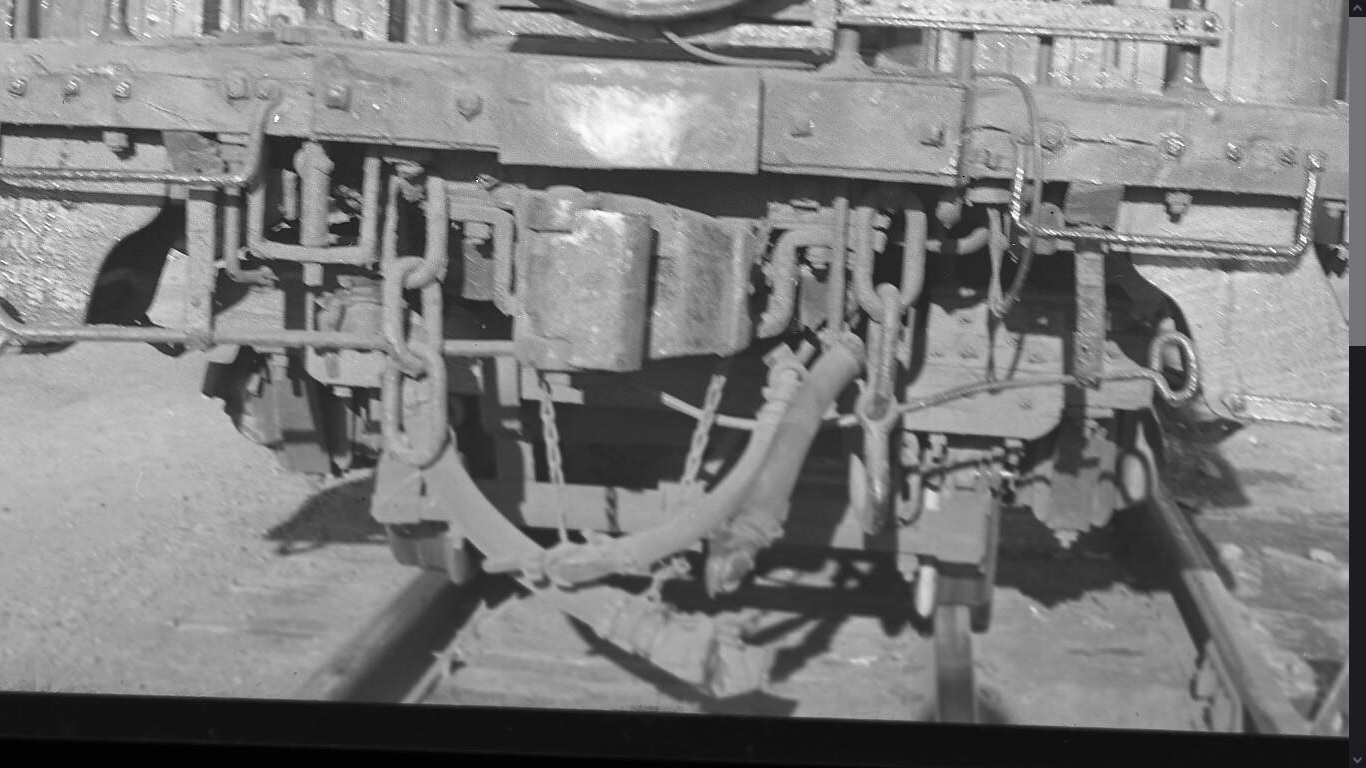
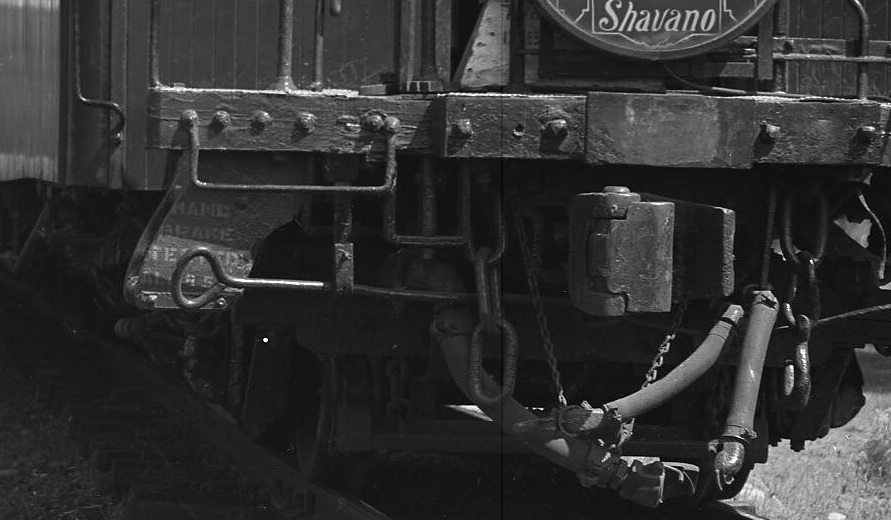
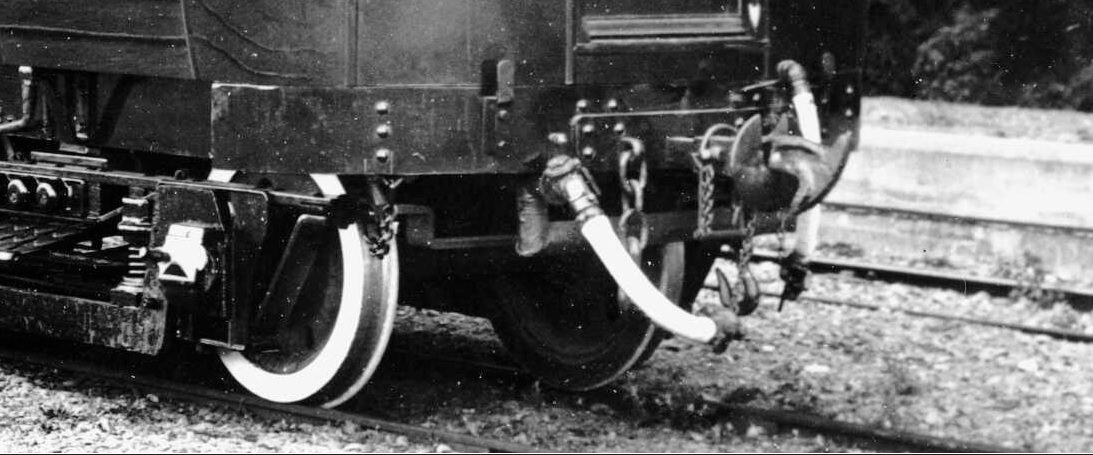
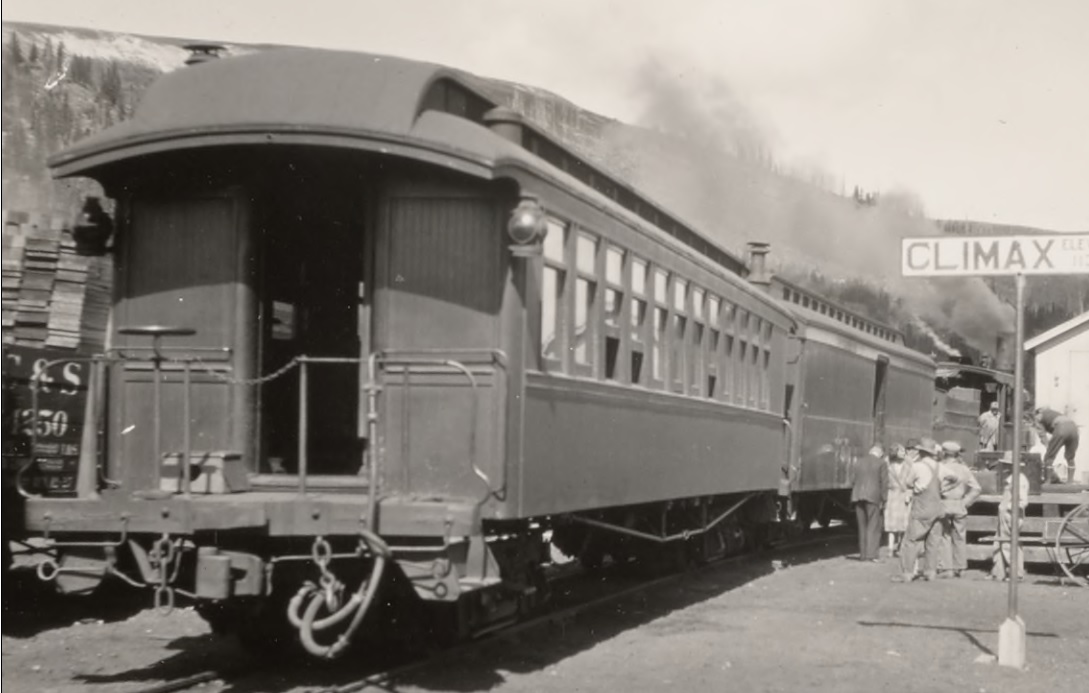
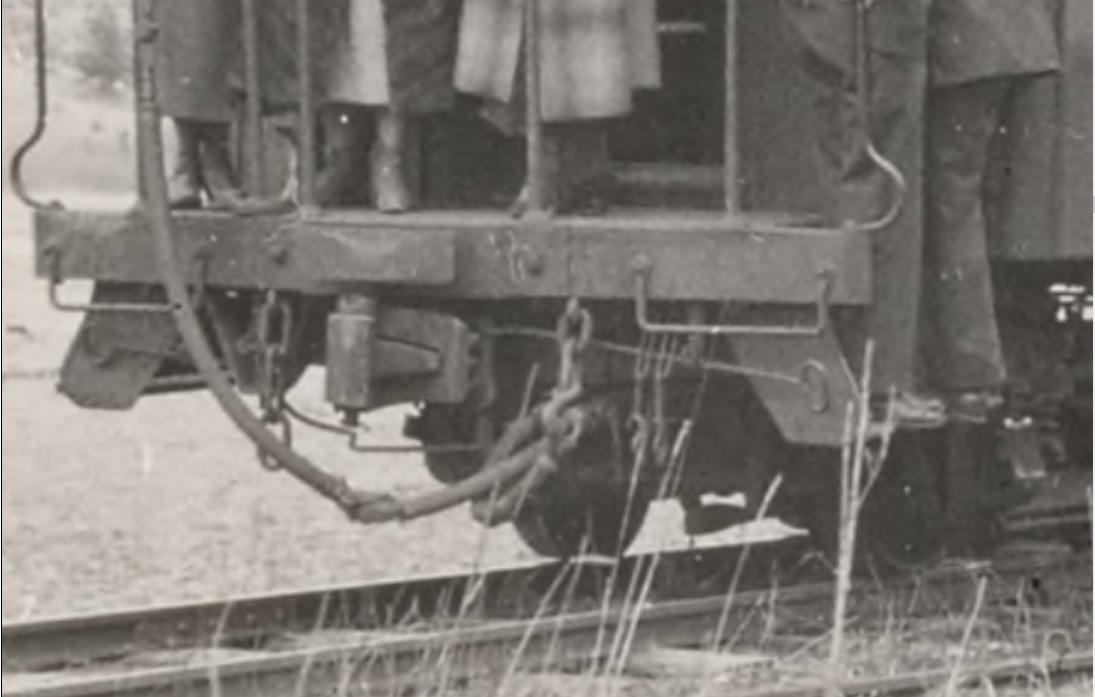
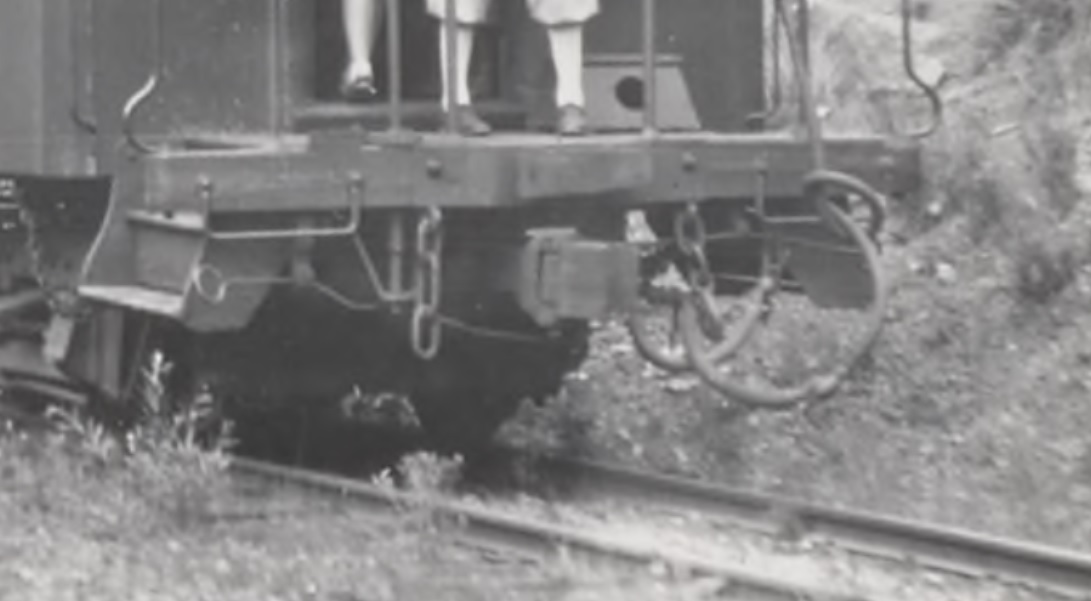
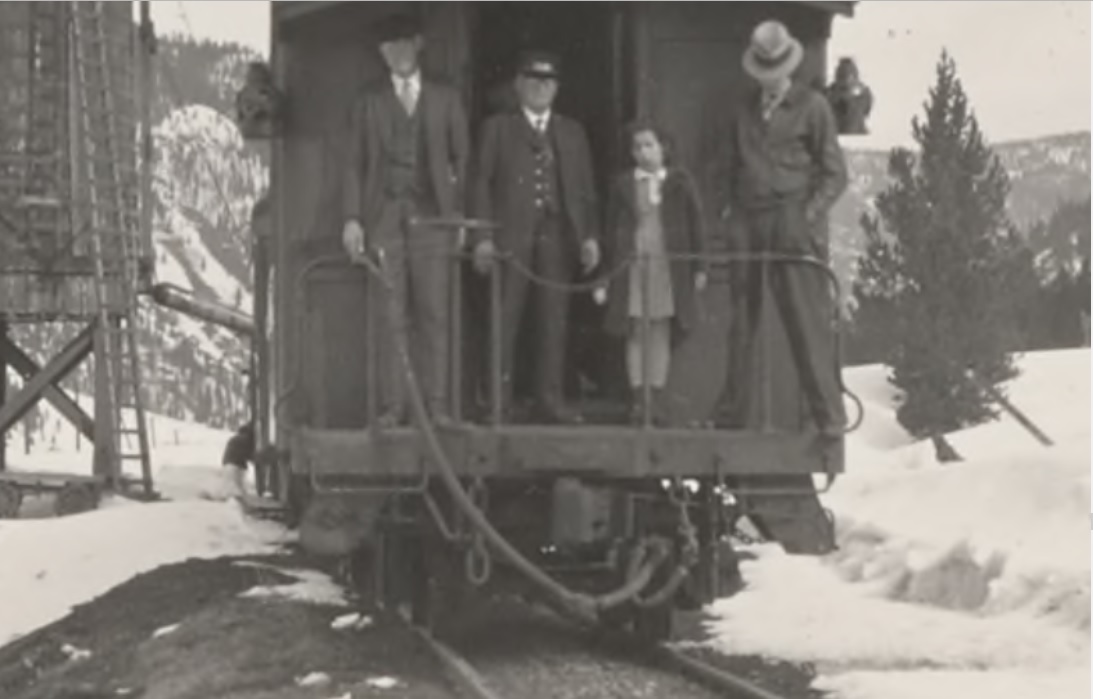
We have discussed the 2nd hose on C&Sng passenger equipment several times over the years in both 2010, and again in 2015. Speculation has run from a signal line, to straight air, to lord knows what else. but as far as I'm concerned, this 2nd hose discussion is now a closed issue.

Coach #76 is one of three coaches built for the C&Sng fleet by American Car and Foundry in 1900, and were the last. The four previous coaches, #70-#73, were built by St. Charles in 1896 for the UPD&G, and did not have steam heat. As the C&S moved into the 20th Century, the railroad obviously wanted to provide the best amenities for passengers and went to the trouble of adding steam lines to the newly rebuilt Moguls, and had to add pass through pipes under the Baggage and Mail Cars, Baggage Cars, and coaches not equipped with steam heat. If the steam line could not be run through, coal stoves were employed. This explains why equipment, including Cars #13 and #70 had two hoses even though they did not have steam heat.


That's my story and I'm sticking to it. Unless someone else has a better idea.


Reply | Threaded
Open this post in threaded view
|

Re: Steam Heat in C&S NG Coaches

Chris Walker
This post was updated on .
Mike,

I've been mulling this over forever since you raised it.
The CB&Q would have done this work at their Denver Shops would they not? I don't see that they would deviate from standard practice and cobble something together for various Cars.

DRGW NG
Barriger Photo; Barriger Library on Flickr; DRGW225 image;
https://flic.kr/p/jDpXxr


Barriger Photo; Barriger Library on Flickr; DRGW145 image;
https://flic.kr/p/jCgwhr


NZR Standard Practice


The following images culled from: Richard B. Jackson Photograph Album; California State Railroad Museum.

Note the Monkeytail is connected to the Signal Line not the Airline, in each instance.

EDIT:  Mikes assertation that the Monkeytail is on the Airbrake line led me to examine the RH Kindig images taken at Waterton, that revealed to me that the Airbrake line is the outward of  the pair; the Waterton cars having the inner airline held out of the way by the use of the Sidechain hook, and that was repeated in several images of different cars. 

Climax 1929


Long Meadows


Waterton


Solitude


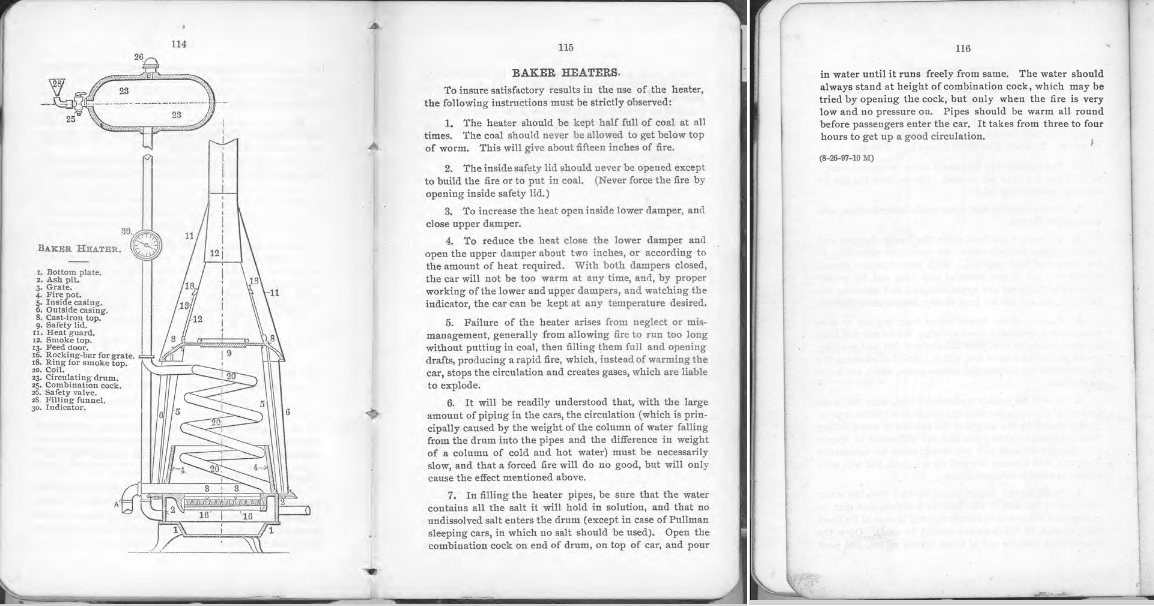
I was always under the impression that the heating was the Baker Heater, or a Searle circulating hot water Heater.

C&SCoach#77


C&SCoach#75


C&SCoach#61


Car Builders Dictionary link
Baker Heater


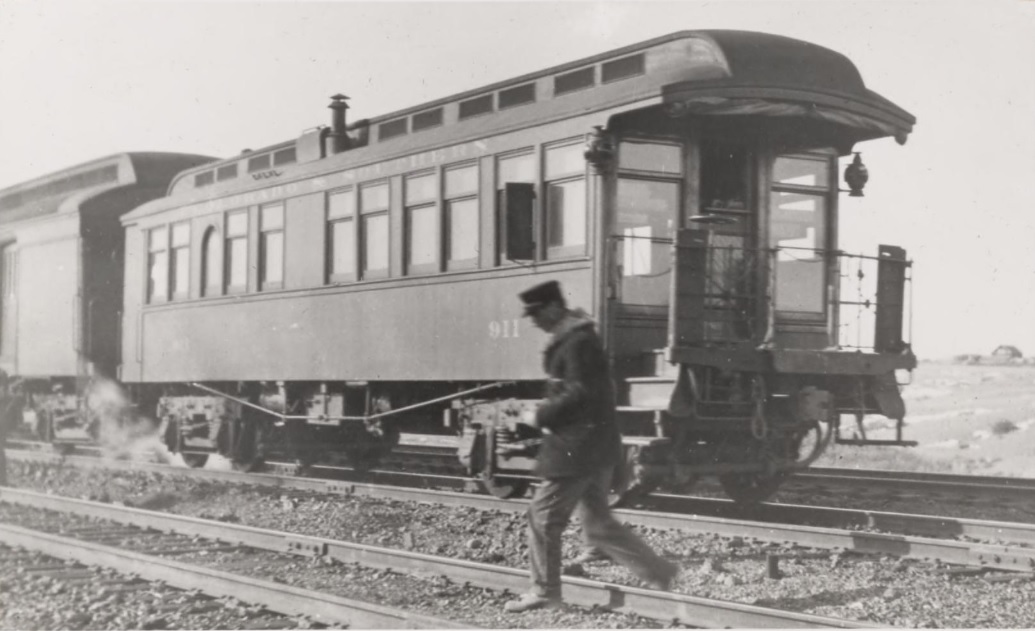
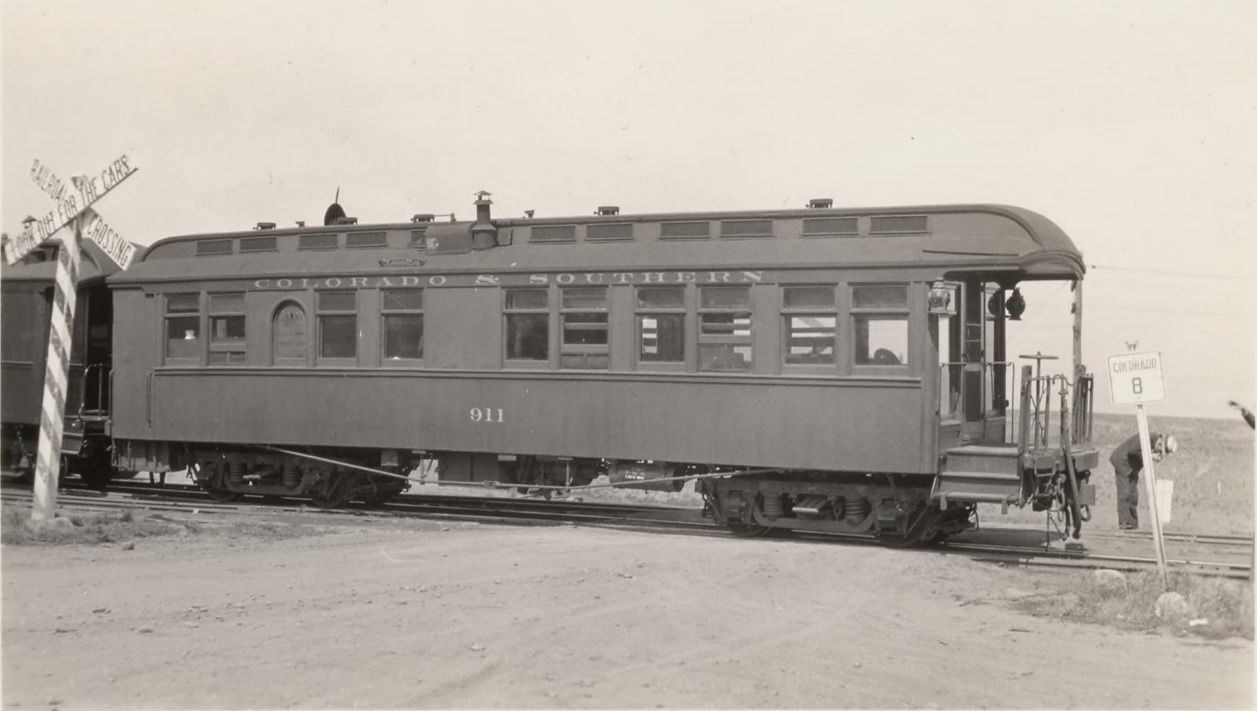
The only photo I've ever seen of a C&S Passenger car emitting Steam is of the 911, But on SG Trucks.
Whether the Steam is actually emitted from the connection to the 911, or from the end of the preceeding SG car so fitted, is worthy of debate.

R.B.Jackson Photo Album; California State Railroad Museum.


My tuppence ha'penny.
UpSideDownC
in New Zealand
Reply | Threaded
Open this post in threaded view
|

Re: Steam Heat in C&S NG Coaches - A little more.

Mike Trent
Administrator
Hi, Chris. Car #911 still has its Baker Heater. Next trip up, after Mike Horner is sufficiently recovered from both knee replacements, we'll get #911's Baker heater documented.

As to the 2nd line, I still would argue that the pigtail is attached to the train line, same as it was used on the cabooses. The pigtail, or monkey tail, if you prefer, was used as a peanut whistle while the train was backing, such as on the Blackhawk spur, and on the Keystone branch, and probably during various other switching operations as needed. Where the notion that the second line was a signal line, I have no idea. It is clear in earlier photos that there was a pull cord that had sort of a Rube Goldberg system across the coal bunker. But I have seen no C&S documentation that the second line was used as a signal line.

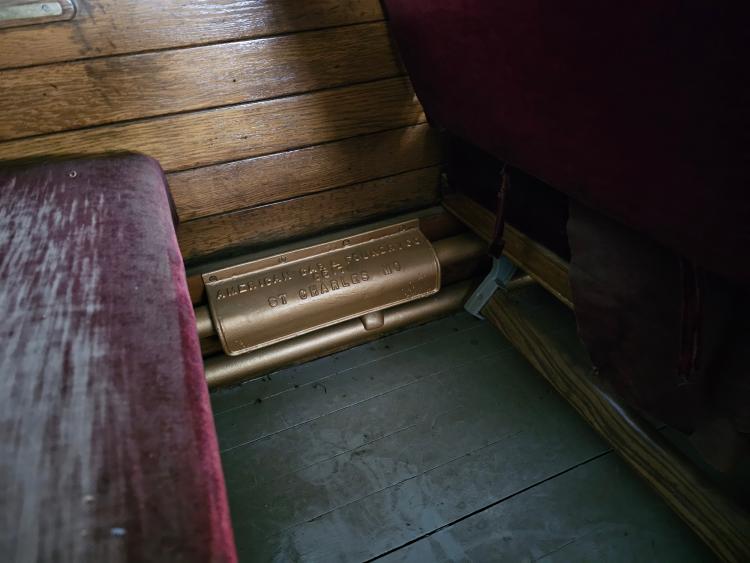
According to Hol Wagner's "The Colorado Road", page #383, Coaches #77-#83 were ex-DL&G, and all built in the 1880's, and would have had no steam heat, but may well have had some variation from standard Coal Stoves. Coach #76's steam heat radiator between the seats, as shown in one of the pictures I included in my first post, is clearly marked with "American Car & Foundry", the 1900 Builder. I believe the Metal Coal bunkers adjacent to the Coal Stoves in Coach #76 have often been mistaken as some sort of water heater, and I do not believe this is correct.

Train's #70 and #71 between Denver and Leadville usually only carried one coach.

I rode the Silverton Train dozens of times in the 70's with the train crew and the process at designated flag stops included a whistle for signal as the train approached, and was answered by the Conductor or a Brakeman, or even myself on occasion, waving a timetable indicating either stop or proceed. I can't imagine this wasn't done on the C&S. So, there wasn't any need to go to all the trouble of adding a signal line. I contend that the steam heat in coaches #74-#76 was fed, just as the D&RGW did on the San Juan and Shavno, by means of pass through lines under the RPO's and Baggage Cars, and Coaches not equipped with Steam heat.

The underbody of Coach #76 still has it's 2nd floor in place, so no piping under the carbody is exposed. All this, along with the knowledge that all of the B-3-C Moguls were rebuilt starting in 1900, lends me to believe the steam lines were added as part of the rebuild to accommodate the new 1900 coaches.

Also on the next trip, we will take some flashlights to get better, and probably more convincing pictures than was possible in the dark in April.  

Again, thanks so much for your work with the pictures and commentary. I'll post more later, as noted. If I'm wrong, Im not shy about admitting it. I'm as curious as everyone else.
Reply | Threaded
Open this post in threaded view
|

Re: Steam Heat in C&S NG Coaches - A little more.

Chris Walker
This post was updated on .
Mike,

a correction will be mine, as far as identifying the Brakeline. I've edited my above post to reflect that observation. I was mistaken in my belief that the 2nd airline was added outside the Airbrake line.

Your assertation that the Monkeytail is on the Airbrake line led me to examine the RH Kindig images taken at Waterton, that revealed to me that the Airbrake is the outward of  the pair; the Waterton cars having the inner airline held out of the way by the use of the Sidechain hook, and that was repeated in several images of different cars.

I have more to add to this, I'd mislaid a few things that should have been included in my initial post.

1899 Standard Carbuilder's Practice diagram of supplemental Steamheat and Baker heater. Note that the D&RGW conformed to this with the Shavano/San Juan consists.
http://cprr.org/Museum/Science_of_Railways_1899/Passenger_Car_.html

Colorado & Southern Rolling Stock


I'd have expected there to be a notation added to the C&S Folio denoting additional/supplemental steam heating and installation.
EDIT: further to this;
D&RGW Folio sheets for Passenger Cars; Business Cars; Parlour Cars all carried a notation beside Heating;  Stoves, OR Stoves, Steam Vapor.


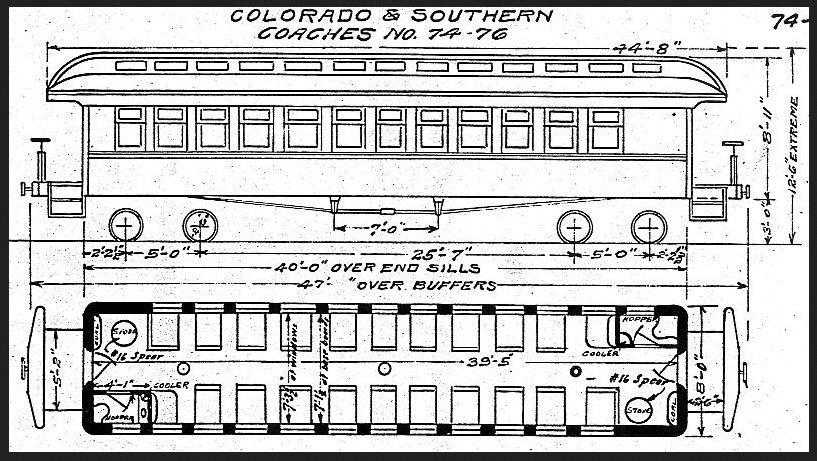
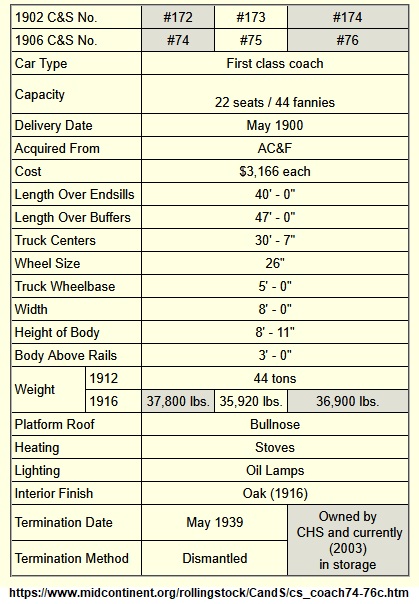
I don't know if the spec's table is from the C&S or by Hayes Hendricks.
The "#16 Spear" stove is something additional to research.

more to come on this subject....
UpSideDownC
in New Zealand
Reply | Threaded
Open this post in threaded view
|

Re: Steam Heat in C&S NG Coaches

Mike Trent
Administrator
In reply to this post by Mike Trent
Great, Chris, thanks. This is all great stuff.
Reply | Threaded
Open this post in threaded view
|

Re: Steam Heat in C&S NG Coaches: Signal Lines; Westinghouse AirBrake Co.

Chris Walker
This post was updated on .
Copyright on this is 1905.


plus more pages on Operation, Testing and Trouble-shooting
https://books.google.co.nz/books?id=5yhWAAAAMAAJ&pg=RA8-PA1#v=onepage&q&f=true
UpSideDownC
in New Zealand
Reply | Threaded
Open this post in threaded view
|

Re: Steam Heat in C&S NG Coaches: Signal Lines; Westinghouse AirBrake Co.

Mike Trent
Administrator
Thanks, Chris! Interesting stuff.
Reply | Threaded
Open this post in threaded view
|

Re: Steam Heat vs Signal Lines.

Chris Walker
Mike Trent wrote
Thanks, Chris! Interesting stuff.
But wait, there's more.....

Please note these are my observations.

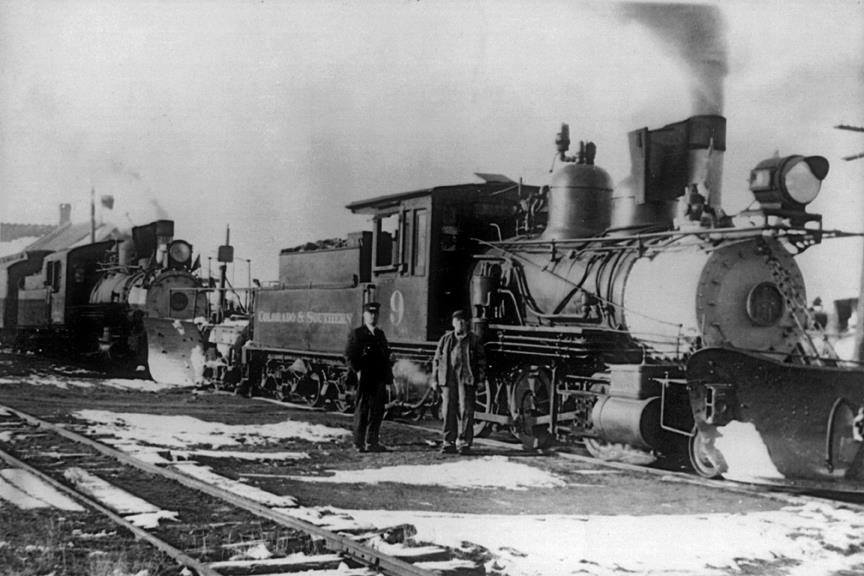
Ed Haley wrote; in D.S.P.& P. (and I'm sure I read this in a Trains mag. as well) ; a trip to Leadville in 1934...."we have engine 9, baggage car 13, and passenger car 70." ....."We'd better grab this end seat by the stove—it's liable to get mighty chilly up at 11,000 feet today."......."It's getting chilly--guess I'd better throw a little more coal in the stove and poke up the fire a bit."

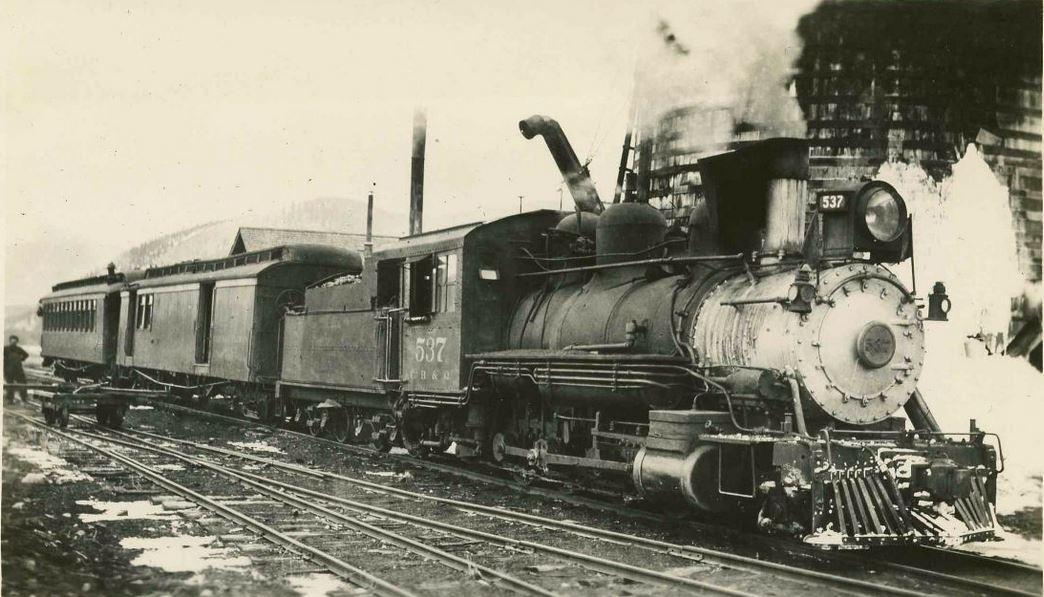
If the 2nd line was steam; my first thought was: "why a steam heat line out over the pilot, and what use would it be"? In this example, if so then why was the #537 the road engine with the #9 +flanger the point helper added at Leadville, thus negating the connection?  The 537 had no 2nd line up front, and no, I haven't seen a rear end shot.

Same theory is applied to the "Last Train to Leadville" with the Boxcar behind #60.


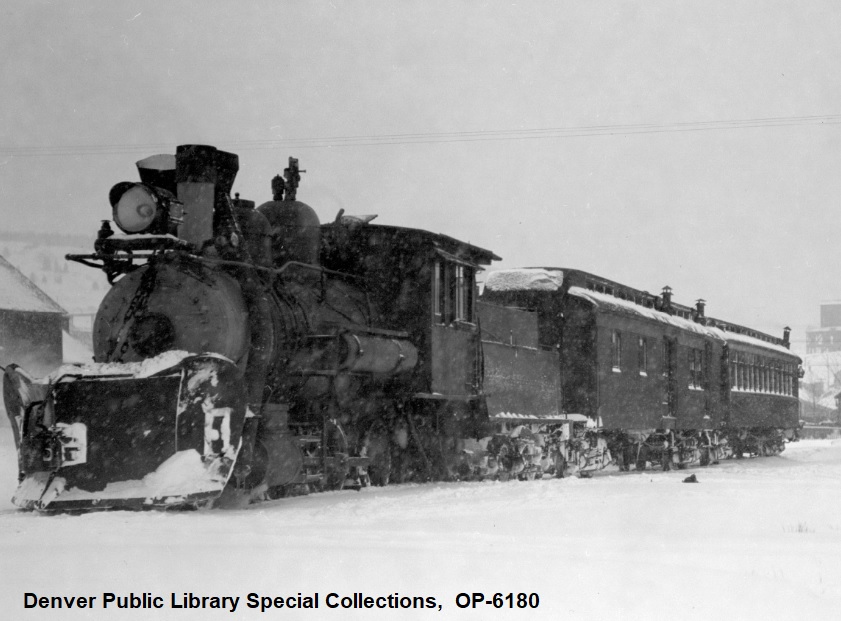
Harking back to my "days" on the overnight passenger train(late 1980's), that had a steam heat van behind the loco, I remembered steam escaping at the leaky hose couplings see  Northerner 2

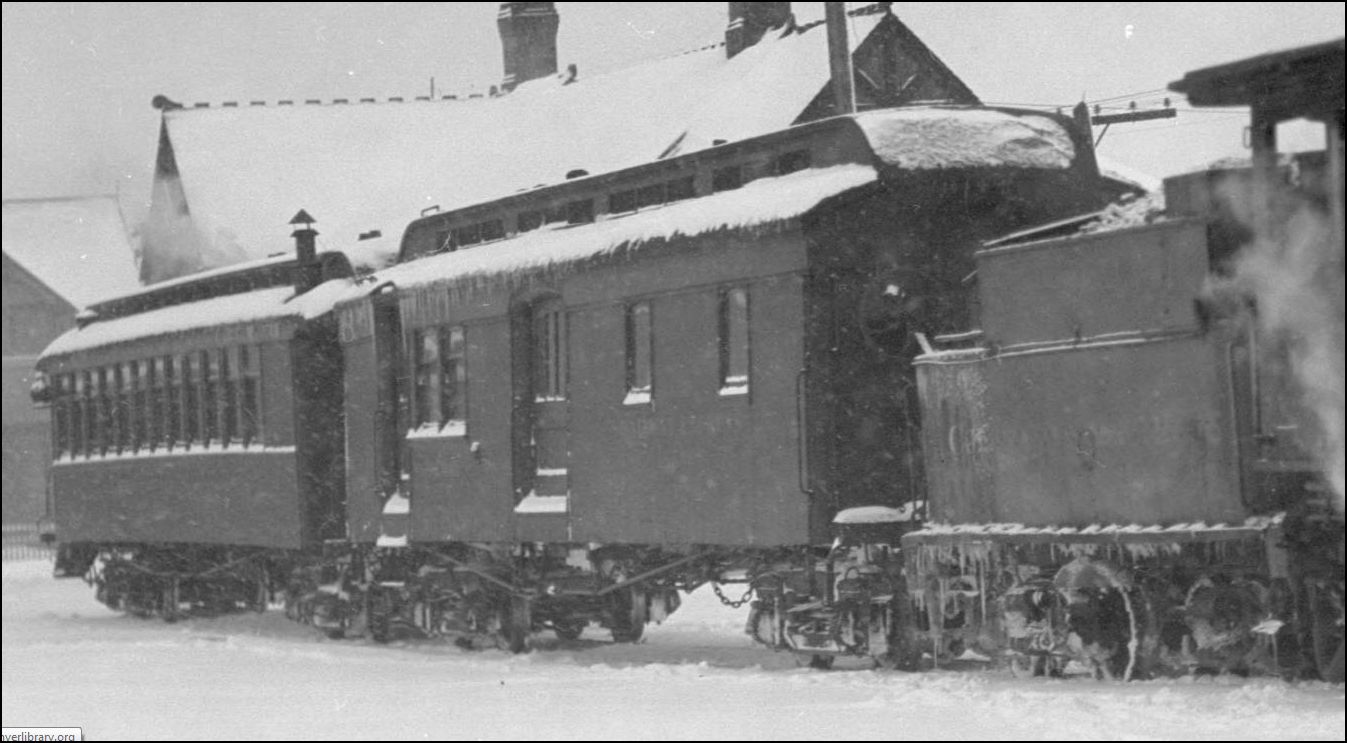
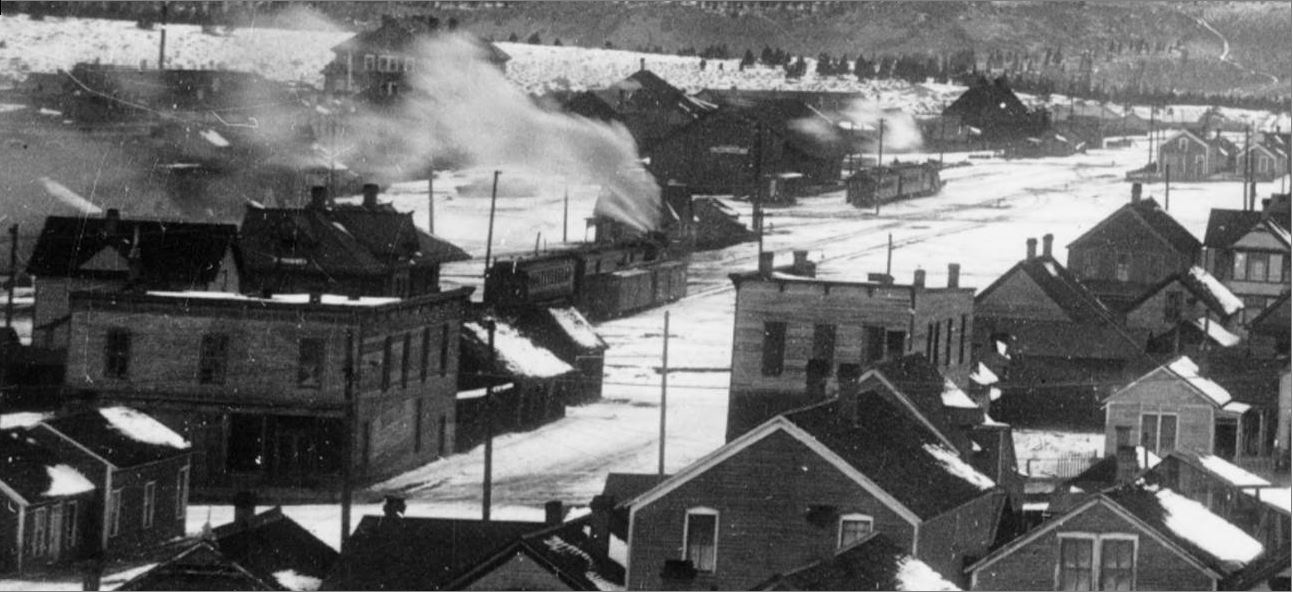
so I went looking at C&S trains such as these examples, expecting to see same.
DPL OP-6180
DPL OP-6179
DPL X-6338

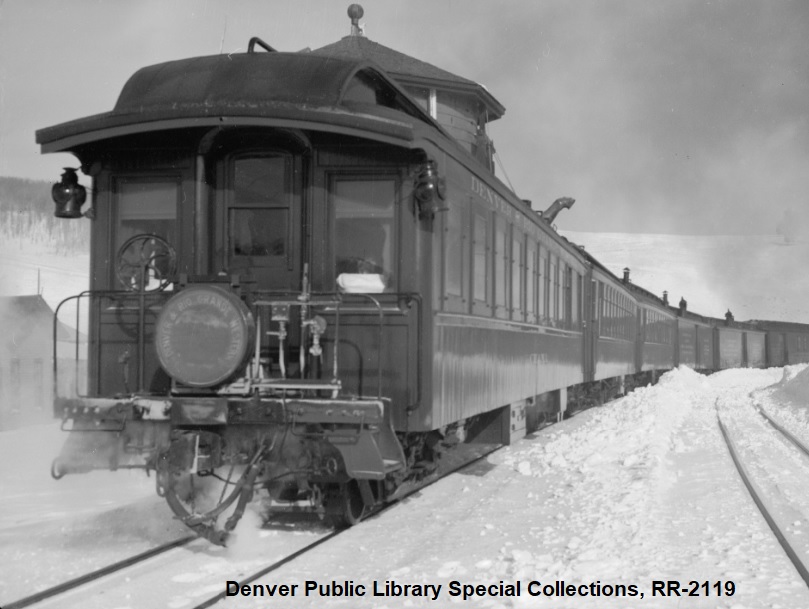
Looking at various D&RGW trains, fitted with steam lines, there were a quite a number, but not every train had leaks.

DPL RR-2119
DPL OP-8173
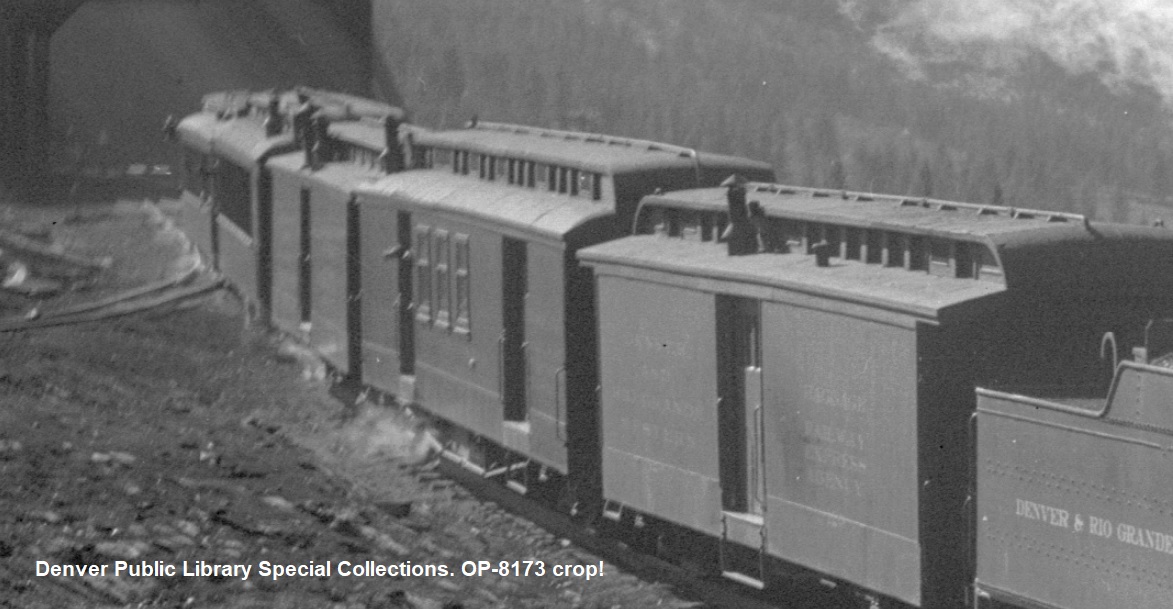
DPL OP-9152
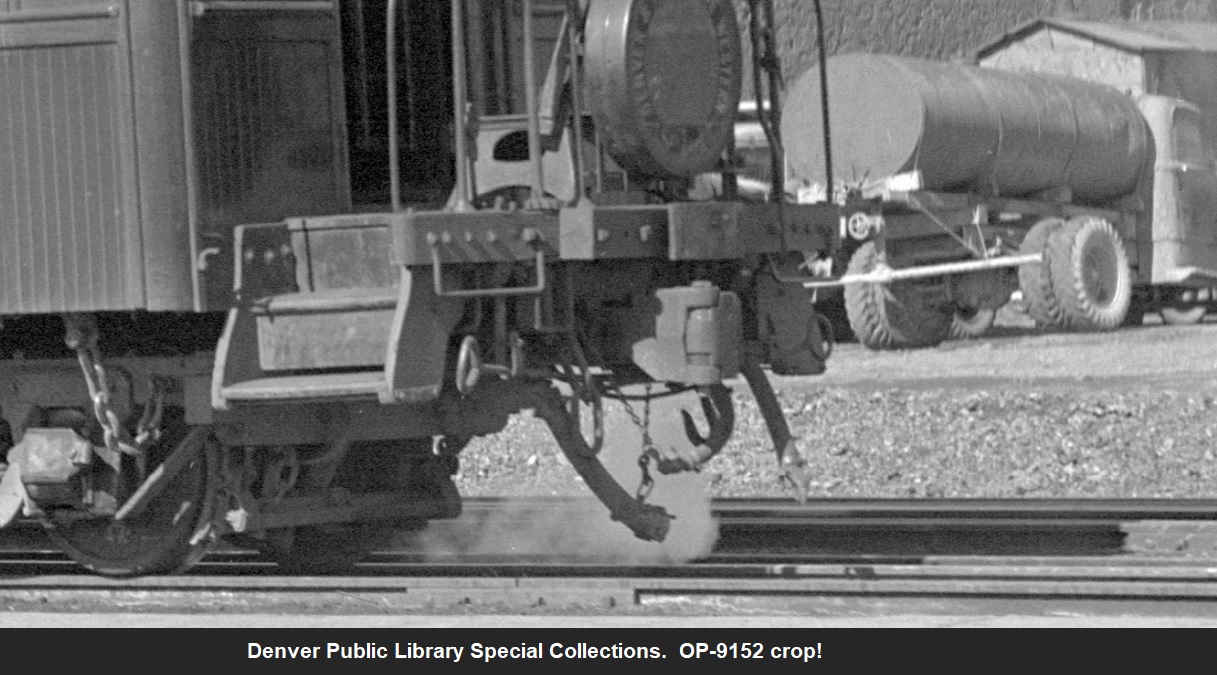

I noted in several photos that the(D&RGW) RPO's leaked under the car, in the same place.
DPL RR-1077
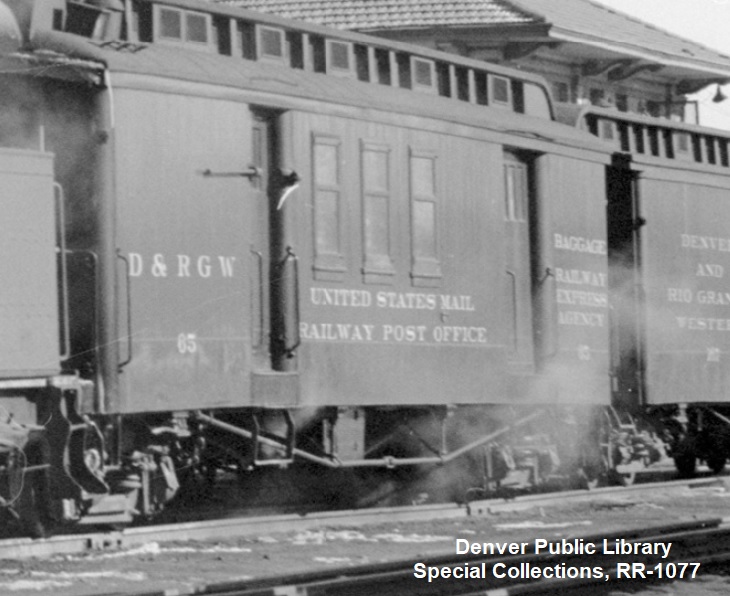

Note the steamline was also a larger pipe(same here on NZR) than airline; the D&RGW tipped the Durango Parlor car over just for us to examine the fitment.
DPL OP-9271
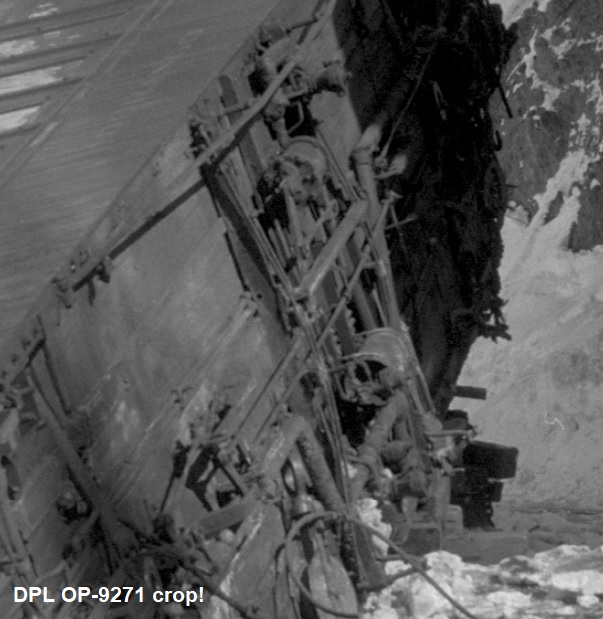

To my eyes, this all points to the use of hot water circulating heaters, and/or stoves on the C&S as per the Folio's.

UpSideDownC
in New Zealand
Reply | Threaded
Open this post in threaded view
|

Re: Steam Heat vs Signal Lines.

Mike Trent
Administrator
Thanks again, Chris.

To my knowledge, only the B-4-C Moguls had a second, presumably steam, line. All of the coaches had coal stoves, which could be used as needed. I'm sure Haley's comment about sitting close to the stove was warrented and good advice!