Re: arc headlights and dynamos
Posted by Jim Courtney on
URL: http://c-sng-discussion-forum.254.s1.nabble.com/arc-headlights-and-dynamos-tp15165p15175.html
I believe it was the fireman's responsibility to maintain the kerosene headlights.
As headlights were not used as warning devices during daytime hours (until the 1940's), the lamps would be lighted at dusk. As these were binary, on or off, devices, when meeting an opposing train, the fireman would lower the blinds on the headlight once the train was in the clear on a siding. Modern diesels merely dim the headlights.
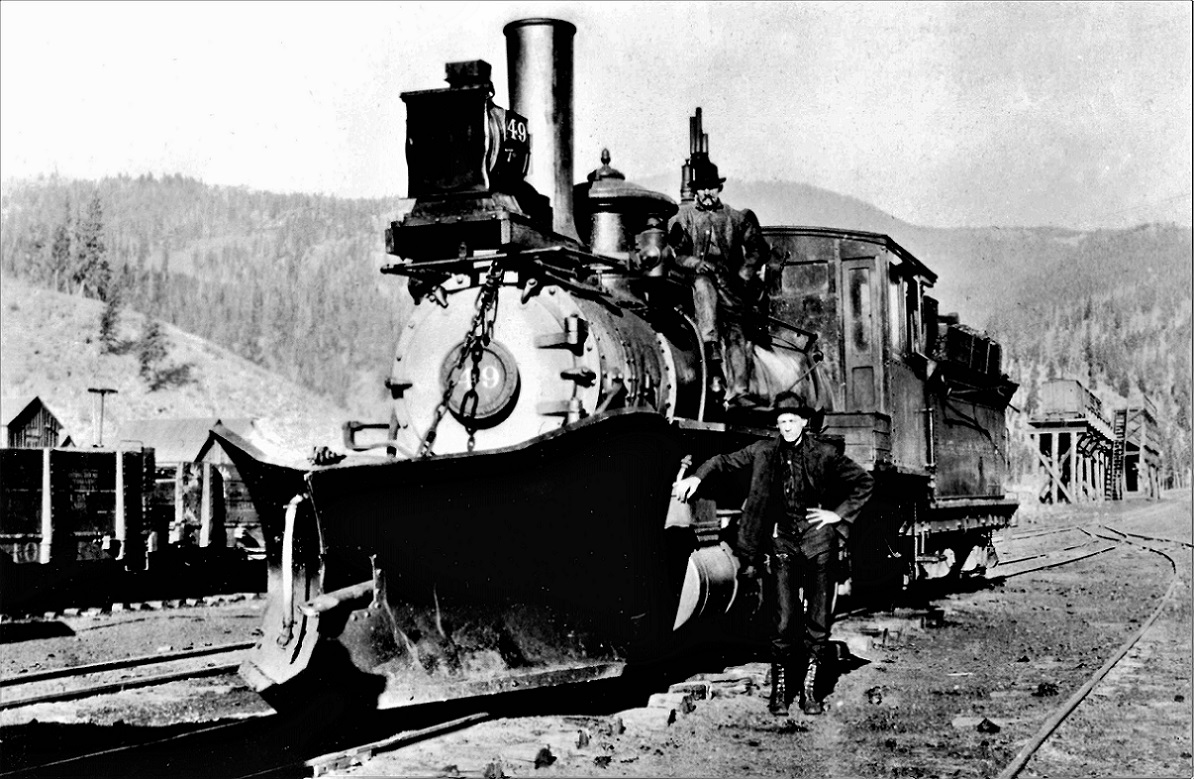
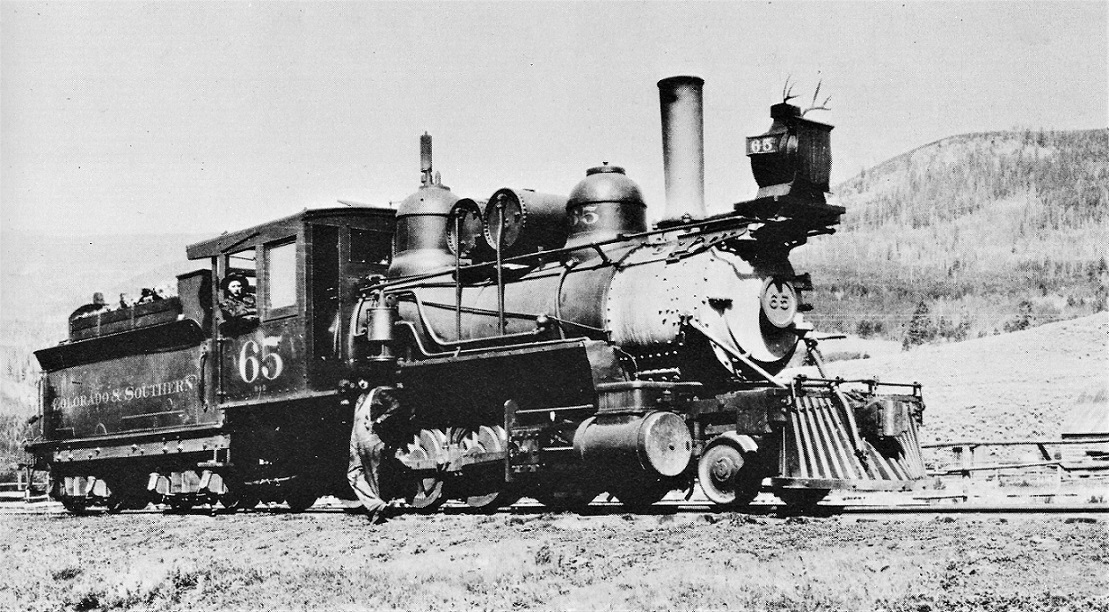
The blinds were located in a small horizontal housing above the lens:
After electric power was installed into the old housings in 1915, the blind housing was often removed, like on Skip's photo of number 13; but the two supports often remained, looking like two little Detail Associates "lift rings" sticking out from the lens housing.
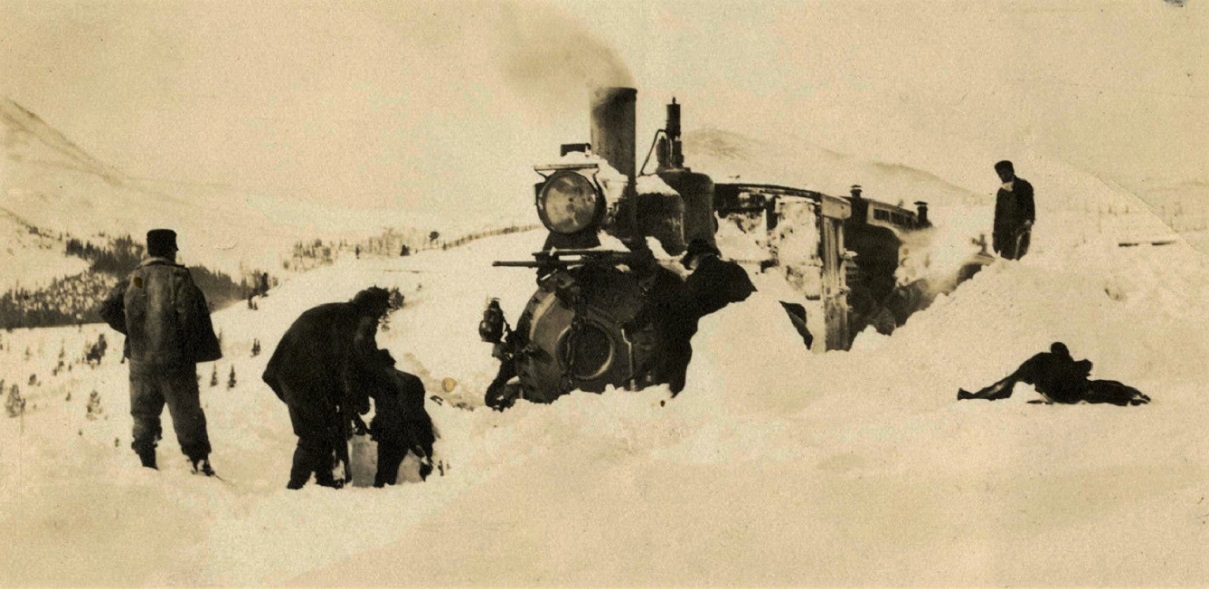
I have come to believe, that on locomotives that commonly made runs only in the daytime hours, circular sheet metal protective covers were applied to protect the glass of the lens from dirt, grime and breakage, especially locomotives working through snow drifts in winter:
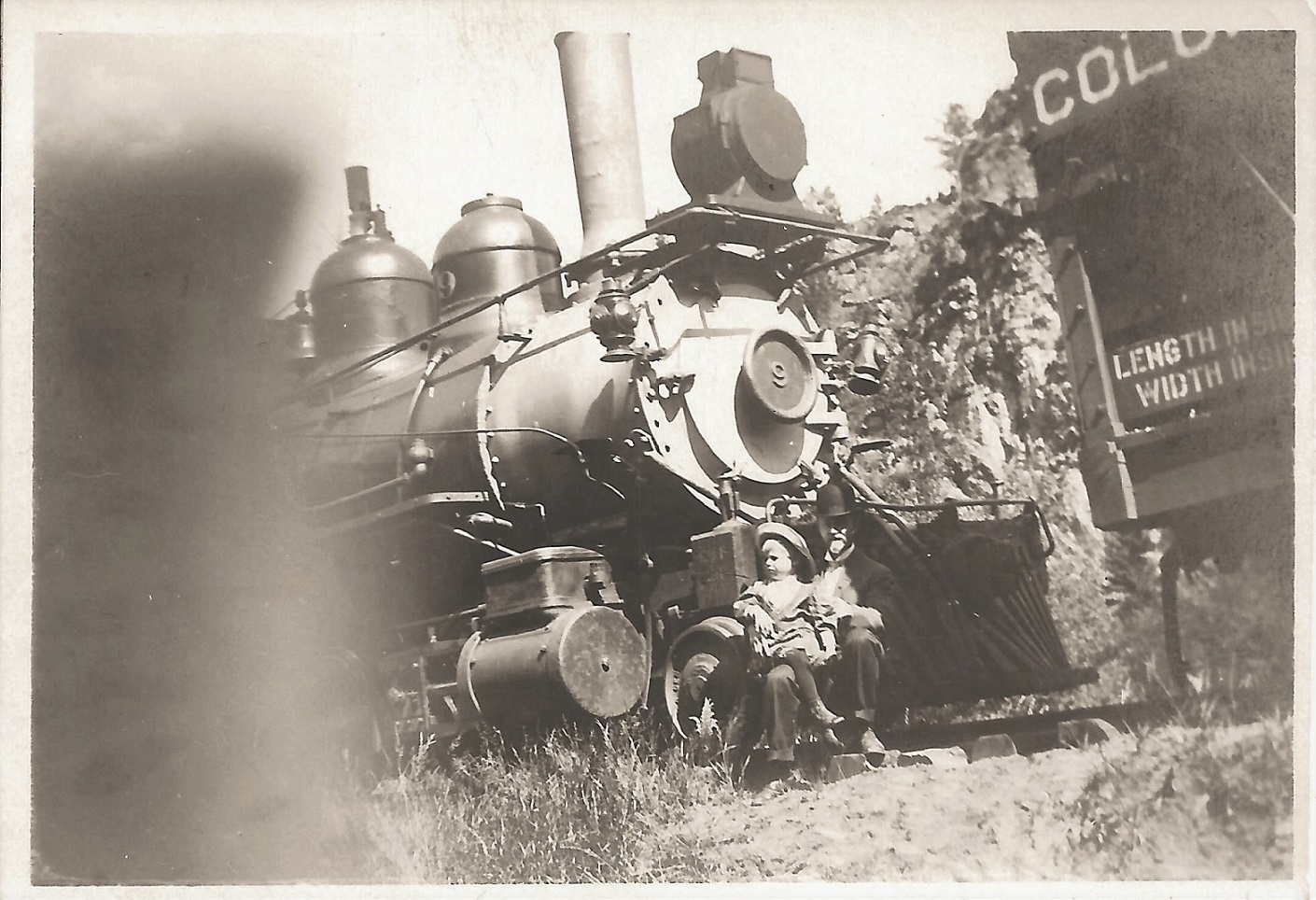
Looks like a series of set screws around the cover plate circumference -- or am I imagining things, and this is just a filthy front glass?
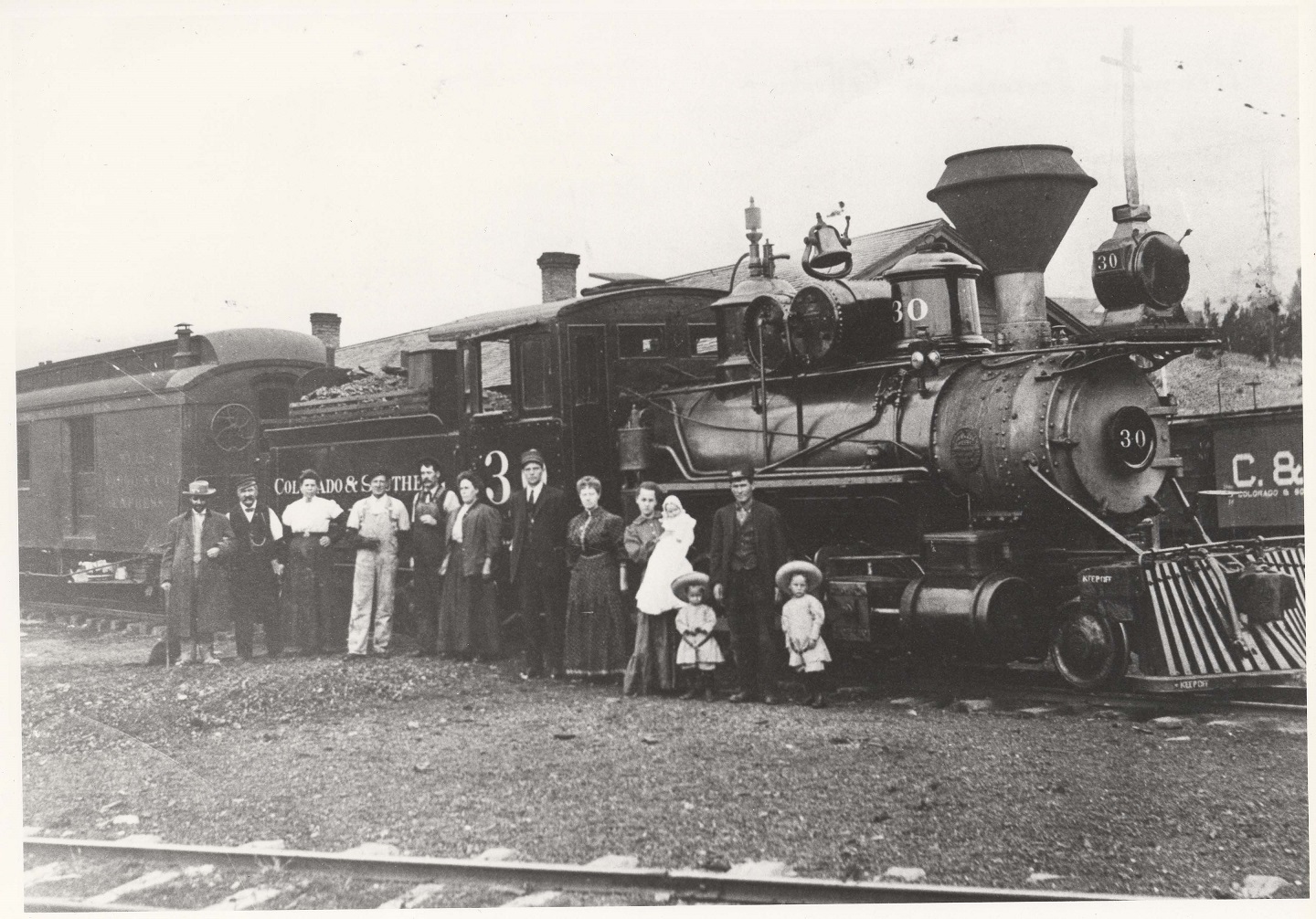
Some covers were low tech:
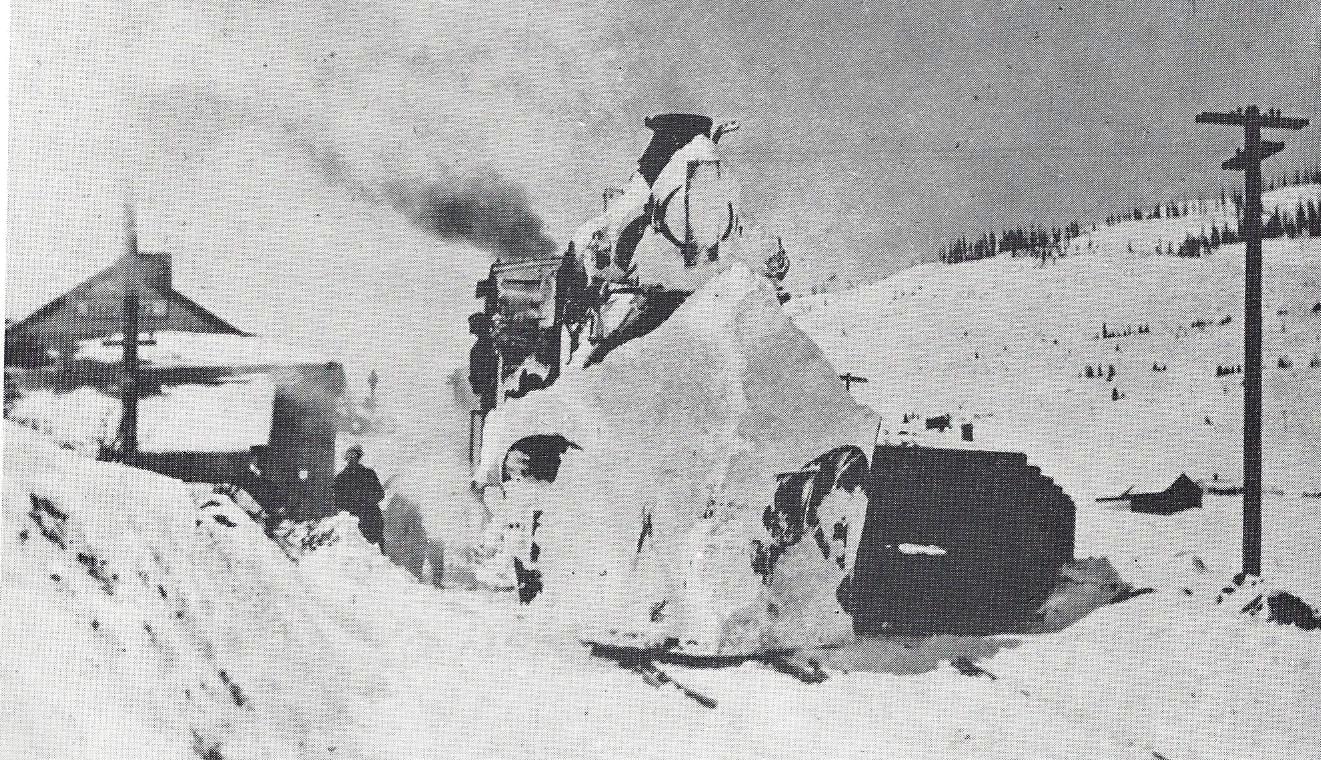
It would make sense to provide a covering system to prevent breakage:
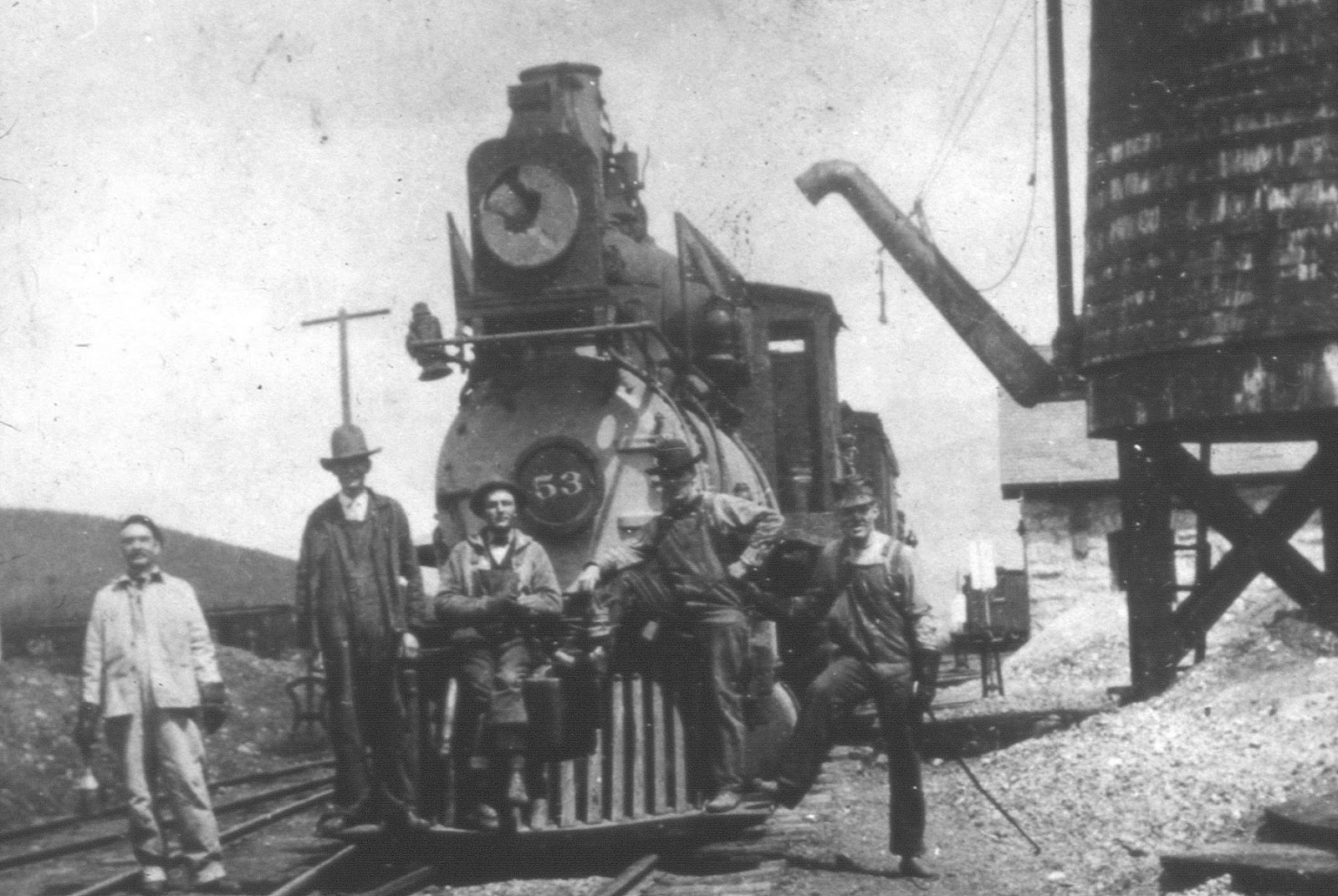
Cooke 2-8-0 number 53 has the exhaust pipe of the generator just visible behind the old box headlight housing, so this must be after 1915, verifying that a few Cookes were still in use on the High Line at this late date--not all were stored in "white lead" in the Como round house addition.
URL: http://c-sng-discussion-forum.254.s1.nabble.com/arc-headlights-and-dynamos-tp15165p15175.html
I believe it was the fireman's responsibility to maintain the kerosene headlights.
As headlights were not used as warning devices during daytime hours (until the 1940's), the lamps would be lighted at dusk. As these were binary, on or off, devices, when meeting an opposing train, the fireman would lower the blinds on the headlight once the train was in the clear on a siding. Modern diesels merely dim the headlights.
The blinds were located in a small horizontal housing above the lens:
After electric power was installed into the old housings in 1915, the blind housing was often removed, like on Skip's photo of number 13; but the two supports often remained, looking like two little Detail Associates "lift rings" sticking out from the lens housing.
I have come to believe, that on locomotives that commonly made runs only in the daytime hours, circular sheet metal protective covers were applied to protect the glass of the lens from dirt, grime and breakage, especially locomotives working through snow drifts in winter:
Looks like a series of set screws around the cover plate circumference -- or am I imagining things, and this is just a filthy front glass?
Some covers were low tech:
It would make sense to provide a covering system to prevent breakage:
Cooke 2-8-0 number 53 has the exhaust pipe of the generator just visible behind the old box headlight housing, so this must be after 1915, verifying that a few Cookes were still in use on the High Line at this late date--not all were stored in "white lead" in the Como round house addition.
Jim Courtney
Poulsbo, WA
Poulsbo, WA
| Free forum by Nabble | Edit this page |