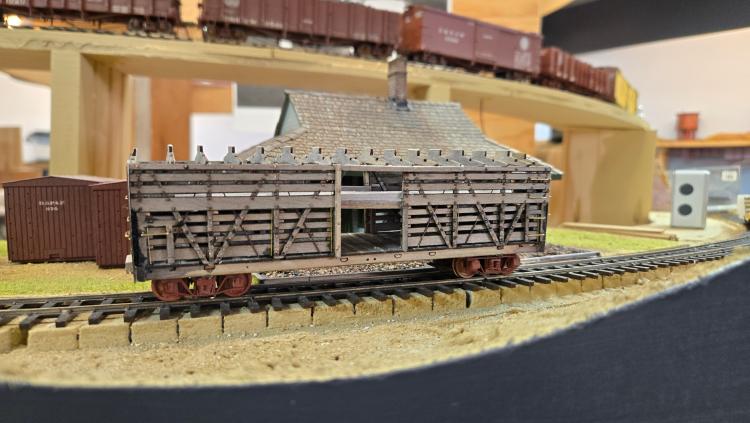
|
Keith,
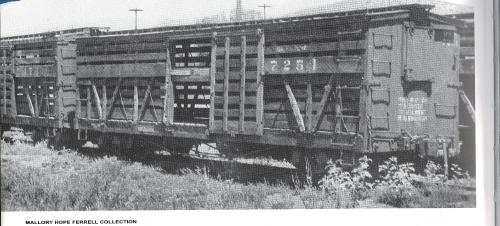
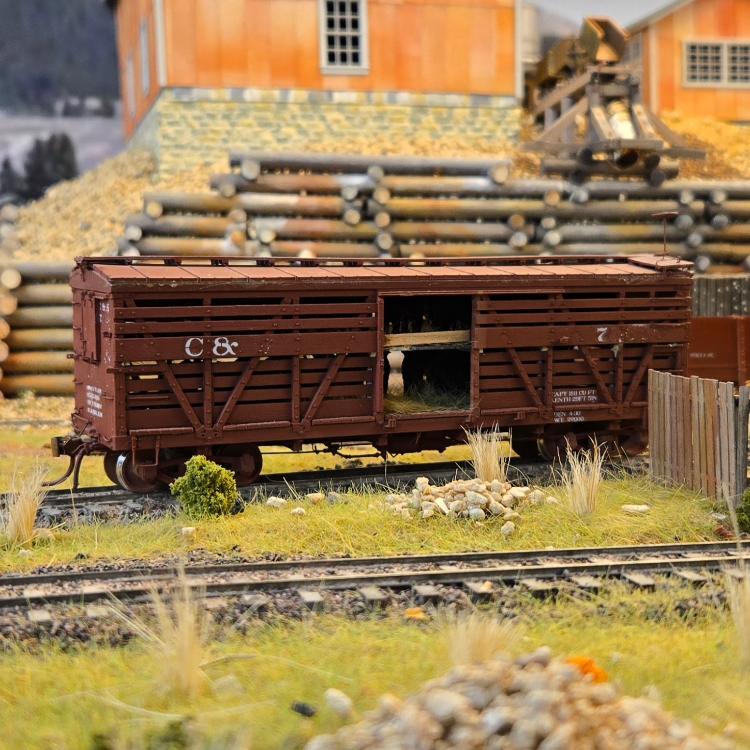
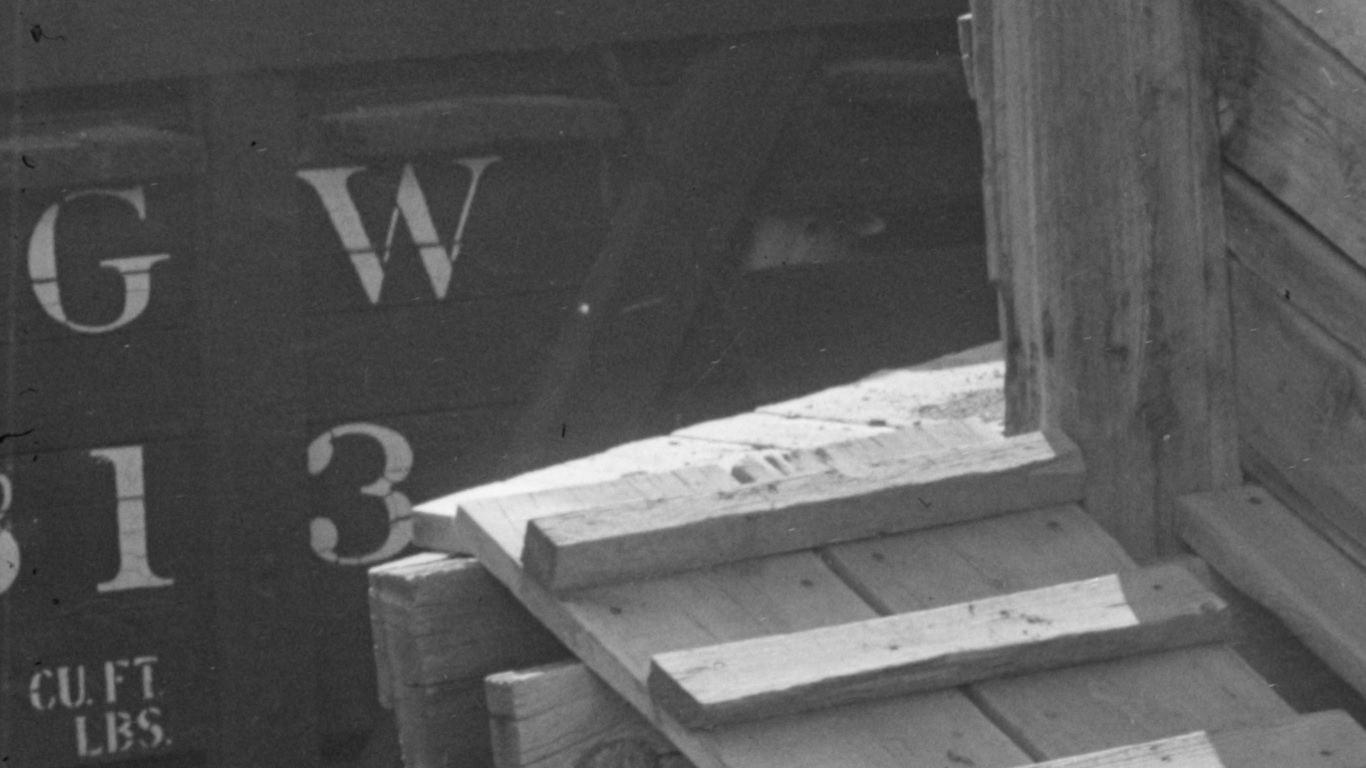
this photo from the RGS series V12 shows the other side of the car and was what my model was based on. as you can see the height of the floor is well above the end door. The C&S/RGS double decks have long been a source of conjecture. they may be there but in this photo i do not see the beams sticking out from the slats like the other side. this makes me wounder if this is a result of the rumored convertibility of these cars. i have to do further study but what if the beam extensions were to position the convertible floors while they were picked up in place and then had the support beams placed under them. as far as the floor boards i believe they ran the length of the car. this photo doesnt seam to show the board overlap at the doors consistent with other cars. ![]() AL P. |
|
This post was updated on .
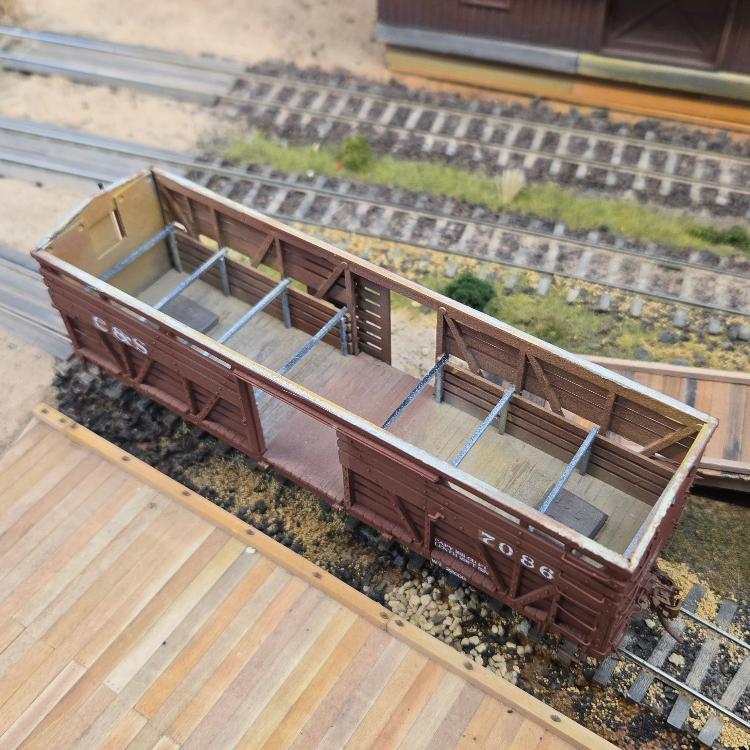
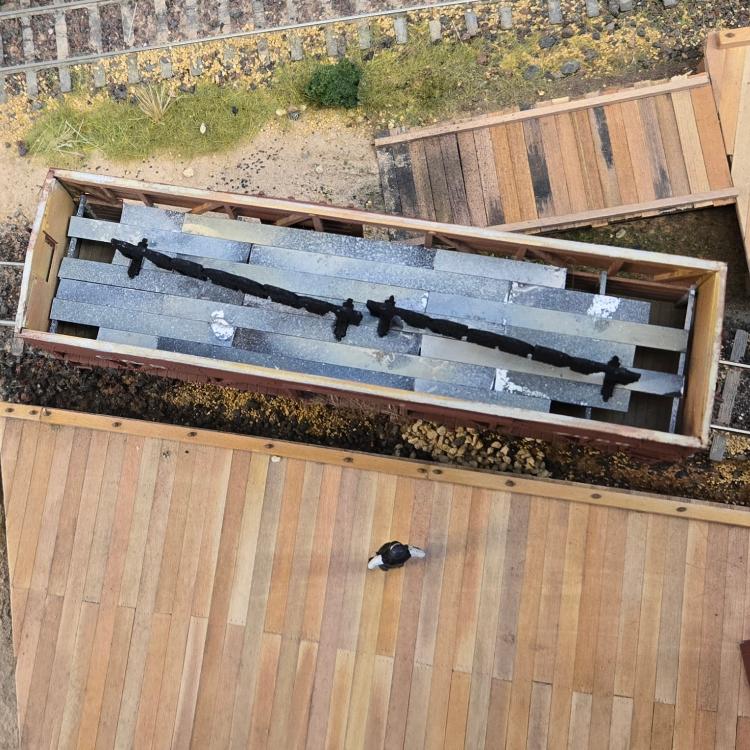
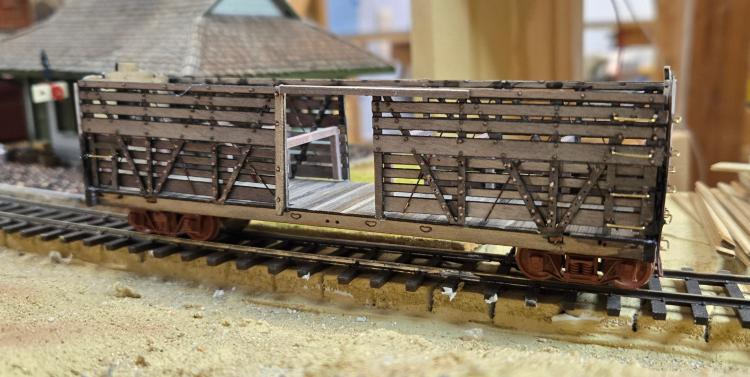
Here is my interpretation of the upper deck framing. (7086 graciously gave up it's roof to ease installation, and will now be renumbered)
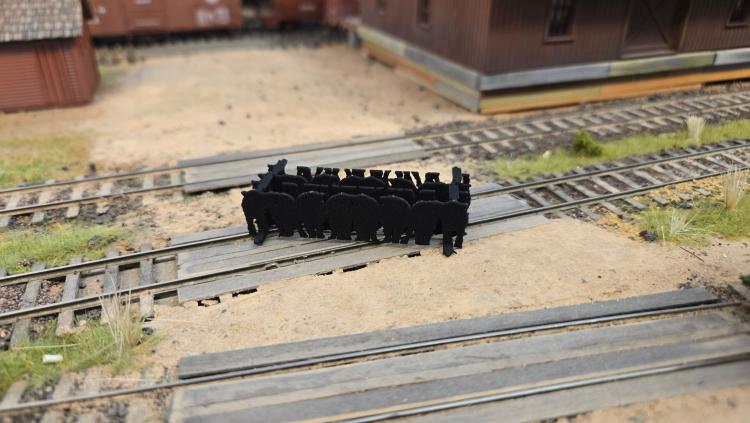
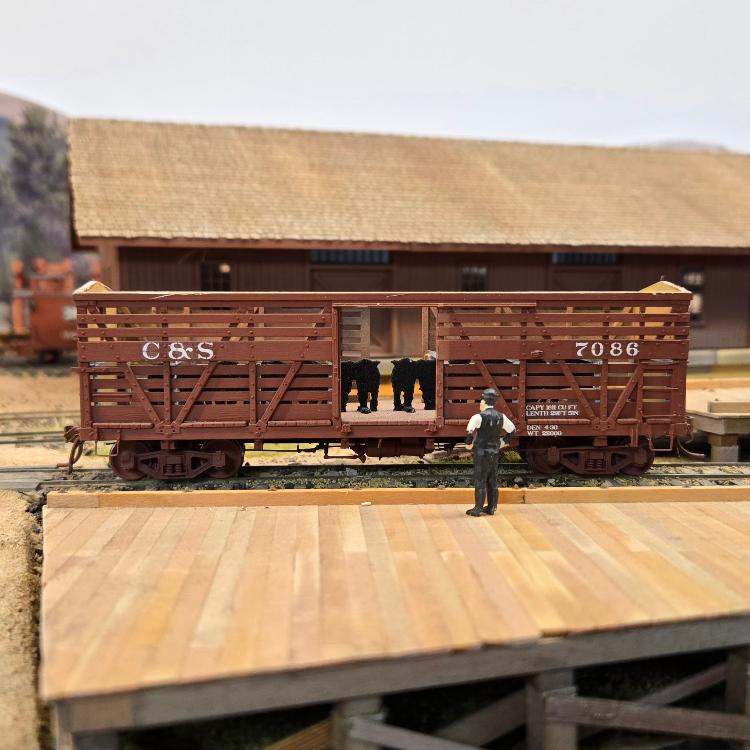
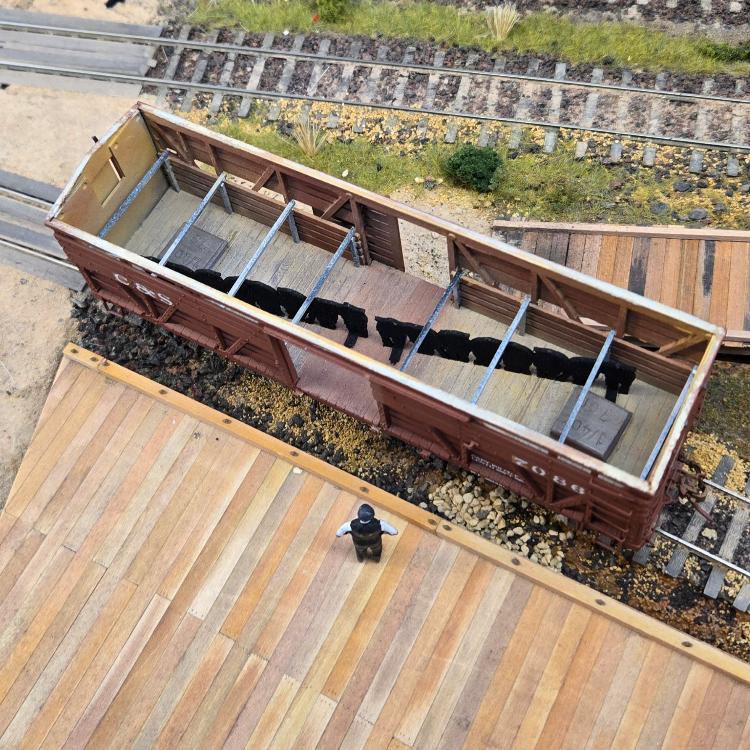
![]() The styrene was painted black with an overspray of Grey, as I doubt the framing was painted, and it is in the shadows anyway. ![]() A brilliant idea--if I do say so myself--is flat sheep. These are a silhouette of the animals to create the appearance of a loaded car, and without the weight or cost of 3-dimensional model sheep. ![]() Mine are based on Railmaster sheep, which are from New Zealand, and thus as Chris pointed out, seem to be larger than the South Park species. ![]() The flat sheep don't take up much space, are light weight and at an angle fill up the car. Now for a break before I add some bedding and the upper deck. ![]() I didn't add the whole upper deck: the floor on the end is less visible. ![]() The Agent is reviewing the completed installation, including animals and bedding.
Keith Hayes
Leadville in Sn3 |
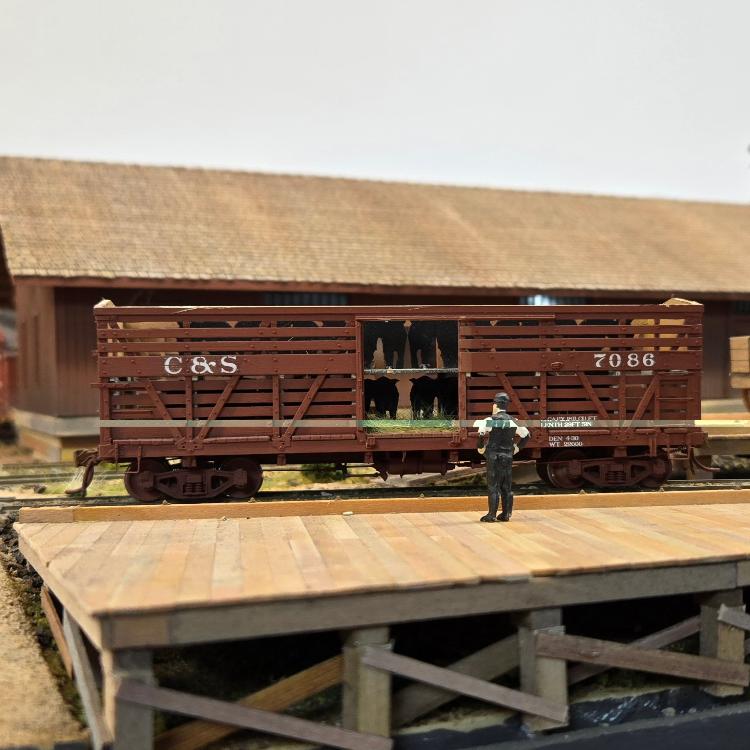
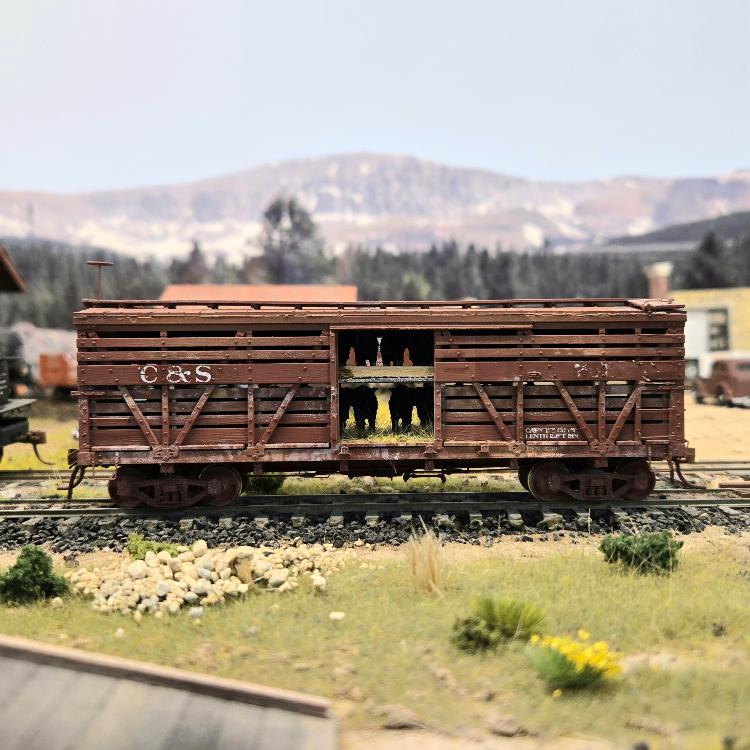
![]() 2x12 "bull boards" have been installed at the top deck. The old number has been removed and sime weathering will follow before the doors are reinstalled.
Keith Hayes
Leadville in Sn3 |
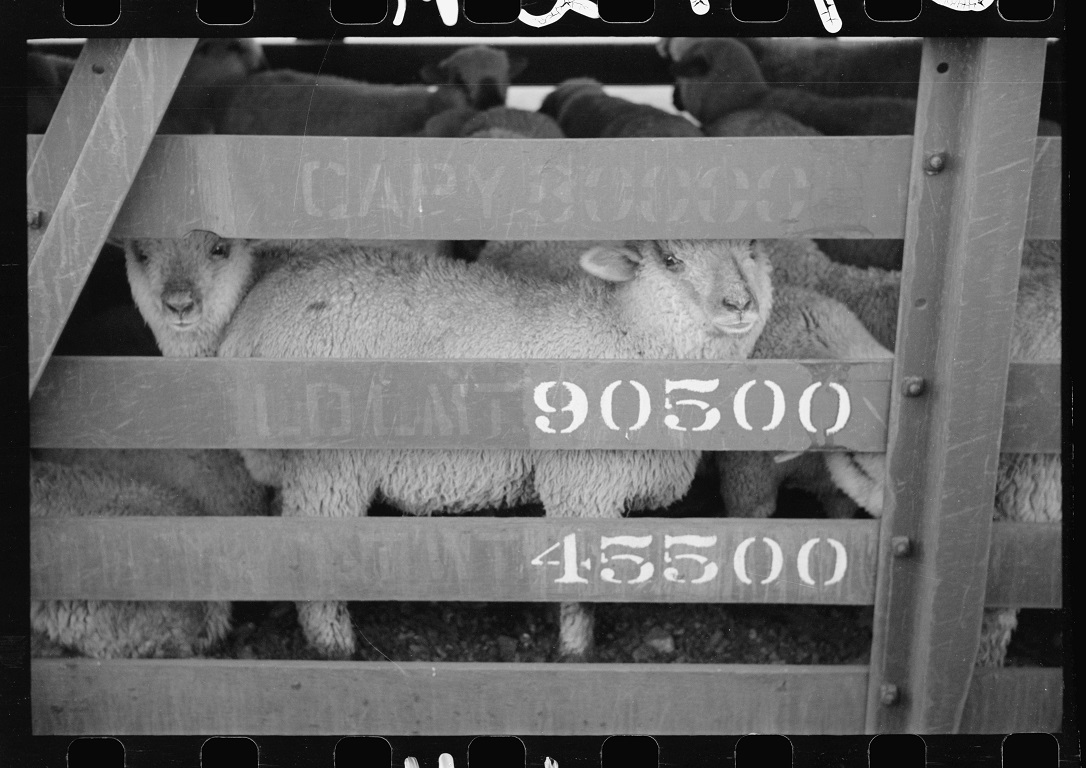
![]() Library of Congress FSA photo(crop)
UpSideDownC
in New Zealand |
|
In reply to this post by Keith Hayes
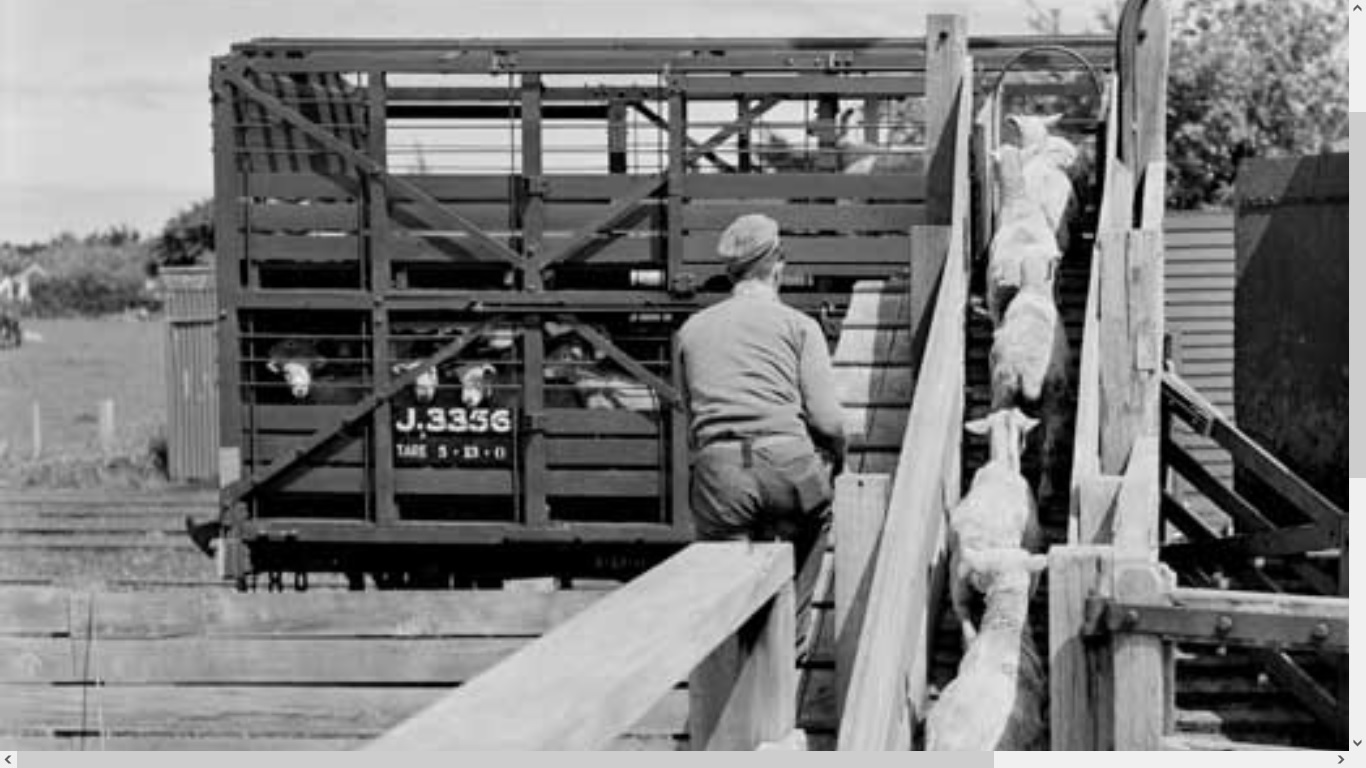
Thanks for the pics, Chris. Coincidentally, I think the only photos of stock being loaded on the C&S are some Gibson photos of sheep loading in Georgetown in the 30s.
![]() Today the airbrush was out to color some track work and I found a stencil and some white and grey to provide some stains below the decks. I guess I should get some gloss out so I can re-stencil the car and apply a new number. Studying the pic, that is a good looking car!
Keith Hayes
Leadville in Sn3 |
|
I concur: that is a great looking car and will look even better with the doors hung and closed.
![]() Georgetown sheep loading http://c-sng-discussion-forum.254.s1.nabble.com/Freight-trains-at-Dillon-or-Keystone-tp1868p2525.html
UpSideDownC
in New Zealand |
|
In reply to this post by Keith Hayes
Keith,
Very nice work. Thank you for sharing this build. All for your work is top notch. 👍👍 Lee Gustafson |
|
In reply to this post by Chris Walker
alas it is an S.G. car, but Sheep don't have a gauge. A good illustration of the randomness of the animal sorting, and the cinder bedding.
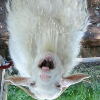
As to sheep size; these could be fat lambs, or hoggets. Library of Congress FSA photo. ![]()
UpSideDownC
in New Zealand |
|
In reply to this post by Keith Hayes
Okay C&Sn3-ers, I am not going to lie: this model is kicking me in the shins!
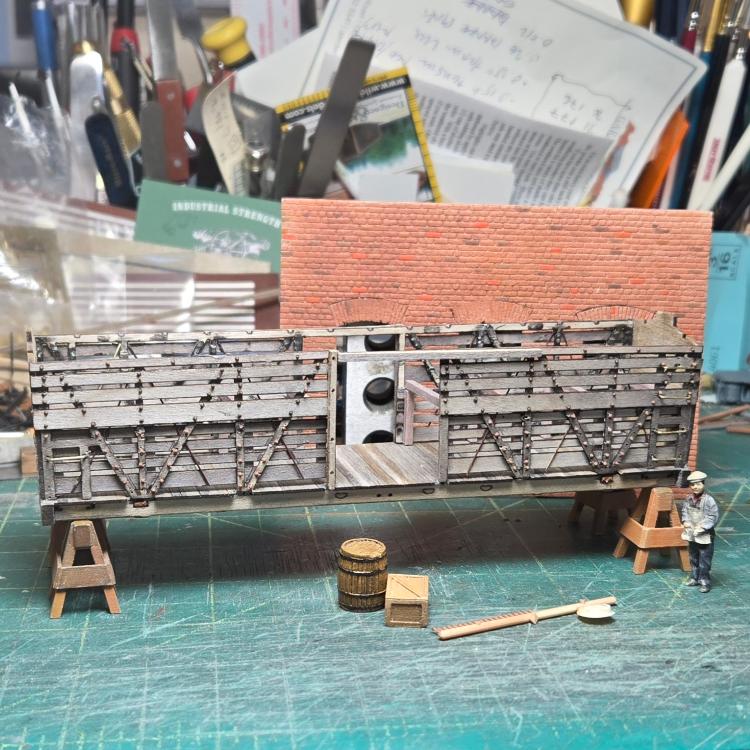
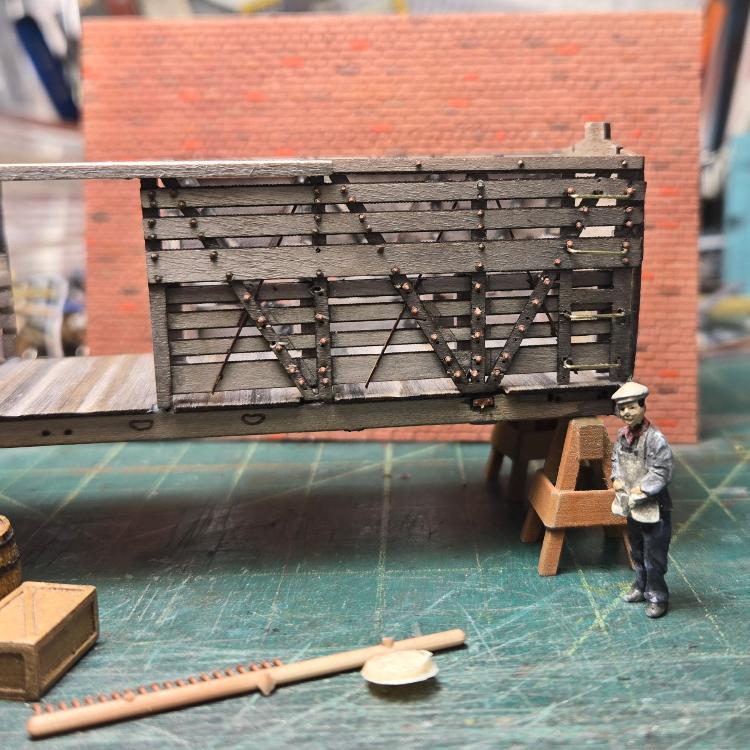
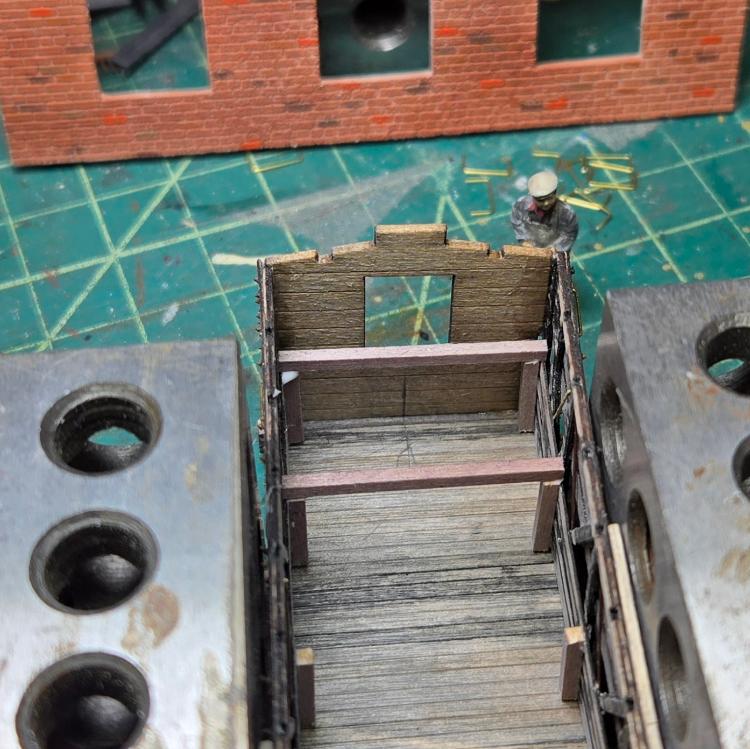
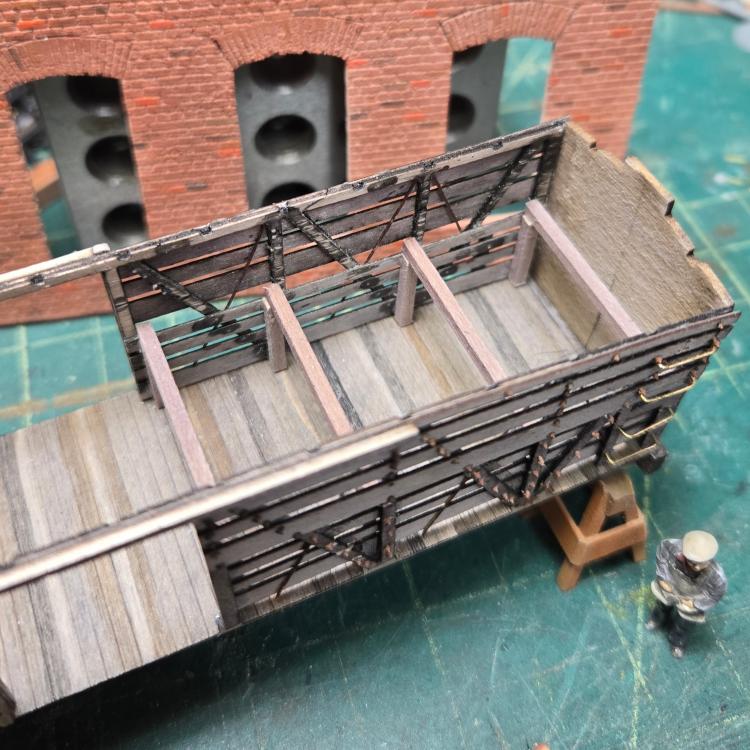
![]() For starters, work and a vacation have interrupted progress, along with completing my final two Achievement Program Certificates. Then I made a couple of key mistakes assembling the side frames and side boards. After assembling and disassembling and reassembling several times, I asked Bill for new parts. He complied, and these arrived in the fall. ![]() When building the model, take care and note that that the bottom board is just above the frame bottom, enough to clear the floor. Also, the top three boards extend past the end of the frame to clear the end siding. Consider this alignment when placing the parts using the laser-inscribed alignment lines. Once you have your siding sandwich, now get out the drill: this model eats NBW castings! I think there are about 100 per side! Oh, my gosh!. I found that drilling through, inserting the NBW and adding a dab of CA behind worked well, and I could nip the end and sand everything smooth after. Same with the grabs, which went on without a hitch. ![]() Did I mention that I broke one of the car sides? Yeah, these are fragile parts, and Fumble Fingers managed to break a side at the door header. HINT: install that top rail, first thing! As per the PBL model, I am adding a second deck. This actually serves to brace and strengthen the car. I know we have disagreed in these parts about the construction, but I am sticking with this assembly, using HO 4x4s that had been stained for an earlier project. ![]() I am a fan of building the carbody box and applying all the grabs and major details before flipping the car and adding the underside jewelry. The underside details are fragile and I think this workload makes for easier handling. So, here is how things sit. I spy a couple of missing NBWs. Then weight, bedding, flat sheep, and the upper deck.
Keith Hayes
Leadville in Sn3 |
|
Administrator
|
Rough work, but looking real good, Keith! Perseverance and determination!
|
|
In reply to this post by Keith Hayes
Slow and steady wins the race. I think all the grab irons and NBWs are now installed and I can move to the next step.
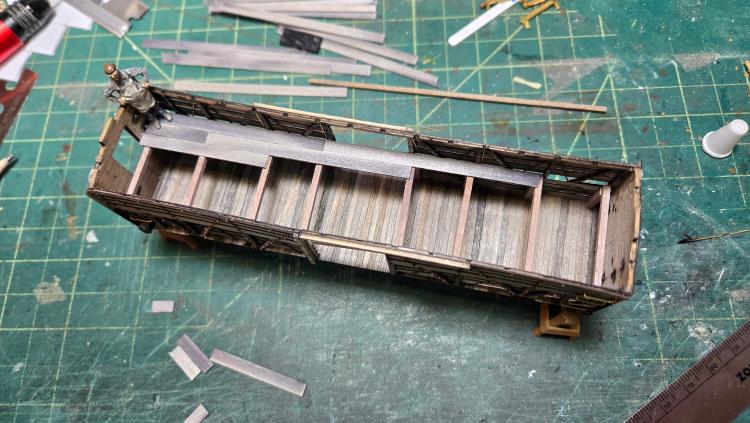
Keith Hayes
Leadville in Sn3 |
|
This post was updated on .
Well, this project is just kicking my buttons!
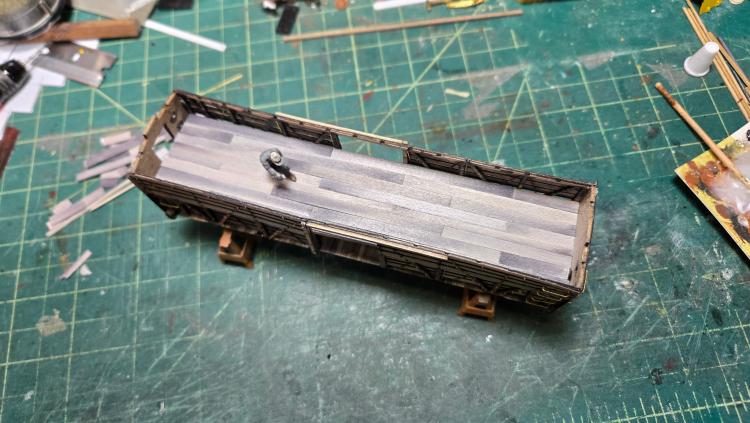
![]() I looked through all my stashes, and couldn't find more flat sheep, so proceeded with planking the upper deck. I was about a third of the way done and realized I had forgotten to add some weight. I found some 1/2 oz weights with double stick tape. These are installed over the bolsters and are painted black. I finished planking the deck. ![]() I again considered the weight and added four small tungsten weights in the four car corners. I hope this doesn't make the car top-heavy. Next, I deviated from the instructions and installed the car lines--the cross pieces which support the roof. These are 14 laser-cut pieces. They seemed a bit thick to fit into the slots and the notch that interlocking into the top of the car wall seemed deep. After some reflection and with a small bit of regret, I sanded the carline ends thinner and reduced the height. They are all in now, but the long roof purlin notches don't quite line up, so I am letting the PVA glue dry thoroughly before I carefully file a clear path of notches.
Keith Hayes
Leadville in Sn3 |
|
Administrator
|
Super Nice, Keith! Thanks for keeping us posted.
|
| Free forum by Nabble | Edit this page |